Are You Stuck in Downsizing Limbo?

Downsizing—it's a significant step, especially for empty nesters in Chicago looking to simplify their lives. If you've raised your family in a spacious home but now find the nest empty, you might be contemplating how to downsize your home in the Chicago suburbs effectively. It's a journey from a house filled with memories to a new, more manageable living space that better suits your current lifestyle. But for many, this transition is mired in what feels like downsizing limbo.
Emotional Baggage: More Than Just Clutter
 One of the most significant hurdles in downsizing homes in Chicago for empty nesters is the emotional attachment to their current residence. Your home isn't just a structure; it's a repository of cherished memories. The process of sifting through belongings, deciding what to keep, and parting with items tied to pivotal moments can feel daunting.
The Daunting Quest for the Perfect Fit
 Finding a well-run condo in Oak Park, IL, or searching for the ideal downsizing option in River Forest requires persistence and expertise. The market can seem overwhelming, but navigating the Chicago condo market for downsizers with a knowledgeable real estate agent can make all the difference.
Navigating Through Financial Fog
 Downsizing also means adjusting to a new financial landscape. Whether it's understanding the costs associated with condo living or planning for the financial future post-downsize, financial planning for downsizing in Chicago suburbs is crucial.
Adapting to a New Way of Life
 Transitioning from a single-family home to condo living involves significant lifestyle adjustments. For those considering moving from house to condo in the Chicago area, it's about finding the right balance between community living and maintaining personal freedoms.
The Timing Tango
 The logistics of selling your Chicago home to downsize can feel like a delicate dance. Aligning the sale of your home with the purchase of a new condo, while ensuring everything fits into your life's timeline, requires strategic planning and coordination.
The Legal Labyrinth
 Understanding the intricacies of condo associations and the legalities involved in downsizing is another critical step. It's essential for those downsizing in the Chicago area to be well-informed about their future home's community rules and financial health.
Looking Toward the Horizon
 For empty nesters selling their home in Chicago, downsizing is not just about the immediate transition; it's also about future-proofing their living situation. The goal is to find a new home that not only meets current needs but can also accommodate future changes.
Finding Your Guide
 Feeling stuck in the process of downsizing in the Chicago suburbs is common, but it doesn't have to be overwhelming. As a dedicated real estate professional specializing in helping downsizers, I'm here to guide you through every step of this transition. From selling your home in Chicago to navigating the condo market and everything in between, my expertise is at your service.
 Downsizing doesn't mean downgrading. With the right support and guidance, it can be a liberating step into a new phase of life. If you're an empty nester in Chicago or the suburbs, and you're considering downsizing but don't know where to start, let's connect. Together, we'll explore your options and find a solution that turns the concept of downsizing into a positive, life-affirming change.
Download FREE Selling & Buying Guide


 Remember the excitement of moving into your current home? Every room echoed with the promise of future memories. Fast forward to today, and you might find that things have changed. Maybe the walls seem to be inching closer each day, or perhaps the echo of empty rooms has become more pronounced. It's like that favorite childhood outfit—beloved but no longer fitting quite right. If you're sensing that mismatch, it might be the universe nudging you towards a new adventure.
 Your home isn't just a sanctuary; it's a significant investment. And just like any savvy investor, it's crucial to know when to play your best card. If your home equity has been flexing its muscles, selling now could mean capitalizing on a handsome profit. This isn't just about cashing out; it's about strategically positioning yourself for your next chapter. Whether that's a bigger space, a more convenient location, or a dream home that's been tugging at your heartstrings, understanding your equity can unlock possibilities.
 Ah, the joys of homeownership—until it starts to feel like you're on a never-ending carousel of maintenance. If you're spending more weekends with your toolbox than with your loved ones, or if the phrase "home improvement" now triggers a mild sense of dread, it might be a sign. Your time is invaluable, and perhaps it's time to find a home that fits your lifestyle, not the other way around.
 If any of these questions have stirred something within you, know that you're not alone. Deciding to sell your home is a significant decision, one that comes with its own set of questions and uncertainties. That's where I come in. With a blend of local expertise, technological savvy, and a personal touch, I'm here to help you navigate this journey. Whether you're leaning towards selling or still weighing your options, let's chat.
 You don't need acres of land or even a backyard to get in on the gardening game. All you need is a container, some potting soil, and a pinch of creativity. Native plant pocket gardens are the perfect solution for urban dwellers craving a touch of nature's tranquility amidst the concrete jungle. By choosing native plants, you're not only beautifying your space but also contributing to the local ecosystem right from your porch, deck, or even a tabletop!
 Starting your native plant pocket garden is easier than you think. Here's how to make your green dreams a reality, step by step:

 Now, why does this matter to you, dear downsizer? Because, in a world where the avocado toast aficionados are ready to trade in their brunch money for mortgage payments, there’s never been a better time to consider selling. The math is simple: with fewer than 2 million homes on the market and a tidal wave of eager buyers, the stage is set for sellers to shine. The forecast for 2024? A bustling market with values holding strong, thanks to the sheer demand.
 So, if you're sitting in a home that's feeling a few sizes too large, think of it this way: somewhere out there is a Millennial dreaming of a space to call their own—a space just like yours. And who better to bridge this gap than yours truly, Laurie Christofano, the Realtor with an affinity for the details and a knack for making matches that feel like they were meant to be.
 So, dear downsizer, as you ponder your next move, remember: the market is ripe, the buyers are eager, and I'm here to make the transition as smooth as a well-crafted latte. Whether you're selling, buying, or simply mulling over your options, let's chat. After all, life's too short for cringe-y nooks and crannies—unless they're part of an artisanal breakfast.
 Contentious issues like sale price, repairs, and staging, especially when one party still occupies the home, require a broker to have strong negotiation skills and a strategic mindset. Setting up a clear, agreed-upon plan from the outset can help prevent disputes down the line. This might include:
 In the end, the role of a real estate broker in the context of a divorce is about more than just selling a house; it's about helping two people move forward. With the right mix of empathy, neutrality, and strategic acumen, a broker can turn a potentially tumultuous experience into a path toward closure and new beginnings.
 The first step in determining the best course of action for your property involves a two-pronged approach: consulting a Realtor for market insights and a lender for financial advice.
 If the analysis shows your property will generate substantial cash flow—enough to cover not just routine maintenance but also unexpected repairs—holding onto it as a rental might be a smart financial move.
 Your property's location isn't just about the address; it's about the lifestyle and conveniences it offers. Being in a Chicago neighborhood with high rental demand means being close to the pulse of the city. Think bustling farmers' markets, artsy boutiques, local cafes, and top-tier schools. Such areas often attract diverse, vibrant communities, and can lead to long-term, responsible tenants. Plus, with the ongoing trend of urban living and people wanting to minimize commutes, a well-located property can be a lucrative investment. So, why not capitalize on Chicago's rental hotspots and let your property be someone's dream home?

 More single buyers (especially single women) are making their mark in the market. So, if you're flying solo and looking to buy, you're in good company. Chicago's diverse housing options cater to all lifestyles, and I'm here to guide you to the perfect spot.
 From multi-generational homes to changing household compositions, the 'typical' homebuyer is evolving. Whatever your situation, there's a place for you in Chicago's dynamic housing landscape.


 Traditionally, spring blooms as the best season to sell your home. Gardens are in full splendor, the sun casts a warm glow on your property, and families are eager to transition before a new school year. But it's not just about the aesthetics; the financial advantages are substantial. Homes sold from March to May often command higher prices, with bidding wars more common as buyers emerge from winter hibernation ready to compete for their dream home.
 Selling your home is a major life decision, and timing it right is a delicate dance. You might wonder if you should sell when you're emotionally ready or if you should wait for the market peak. The truth is, the best time to sell is when it aligns with your personal goals and financial needs.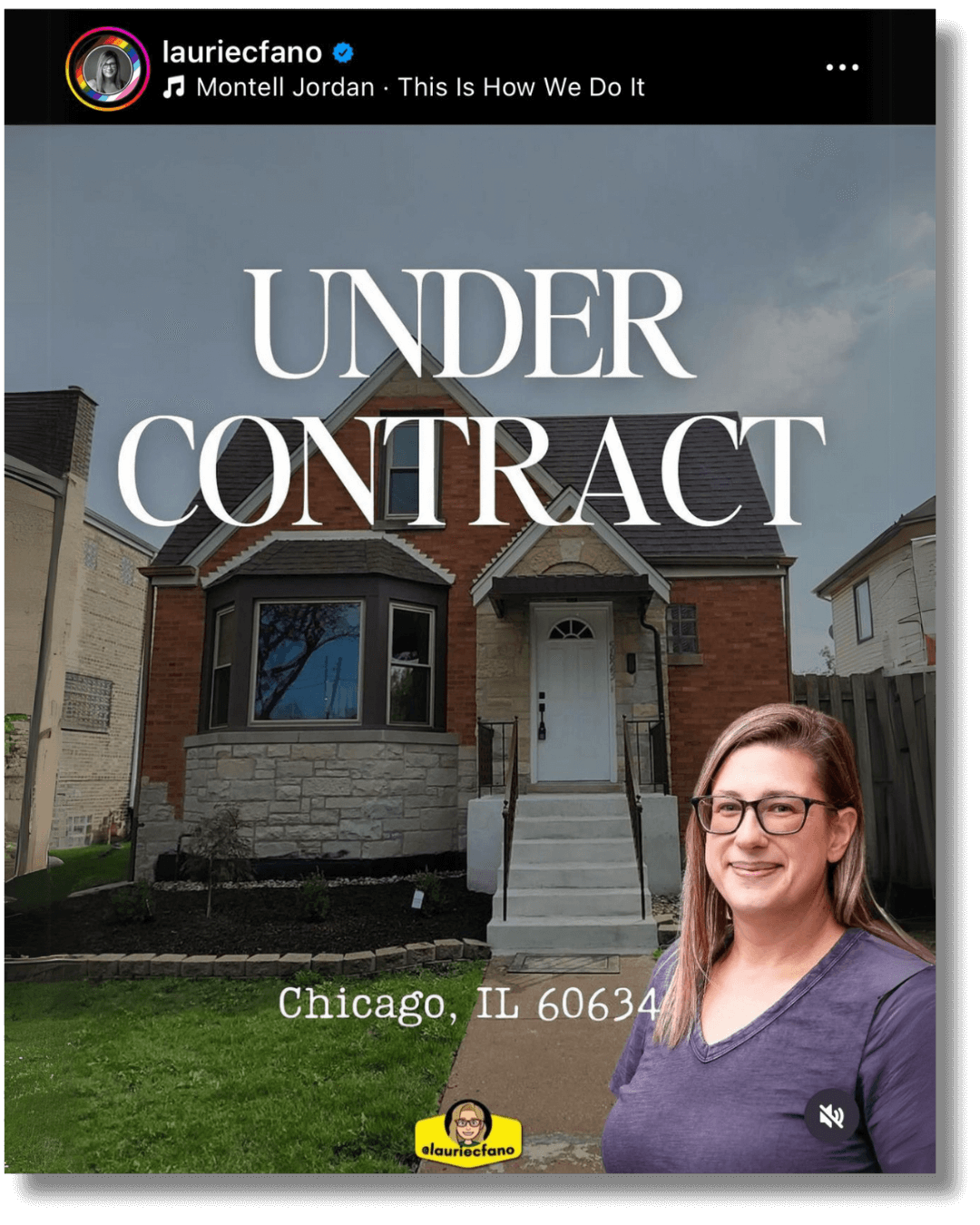
 Not losing heart, we shifted our search to Naperville. This time, embracing technology, we conducted video tours. The family fell for a house, made an offer, and it was accepted. During the home inspection, which the wife attended in person, they uncovered issues that were deal-breakers. But this trip had a silver lining – it made them realize they preferred to be closer to the city.