


If you’re relocating to Chicago and keep hearing people talk about “two-flats,” here’s what you need to know:
They’re not just old brick buildings.
They’re one of the smartest wealth-building tools in this city.
Chicago’s two-flats, three-flats, and four-unit buildings have shaped how people live, invest, and stay rooted here for more than a century. If you understand how they work, they can completely change the math of buying in Chicagoland.
What Is a Chicago Two-Flat?
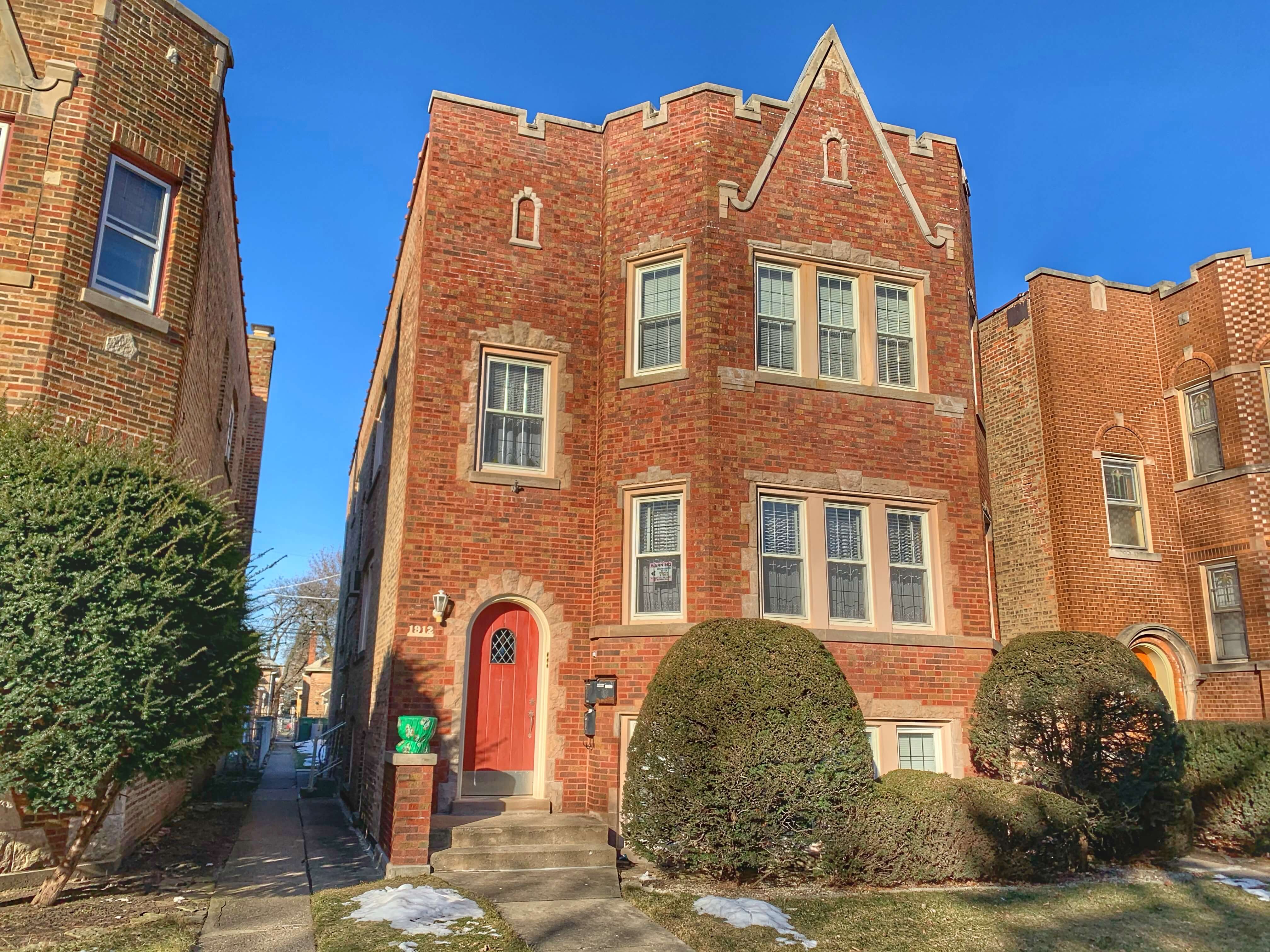 A two-flat is a small multi-family building with two separate residential units, typically stacked vertically. Three-flats and four-flats follow the same concept.
These Chicago 2–4 unit buildings were designed to:
- Fit narrow Chicago city lots
- Allow owners to live in one unit and rent the others
- Support extended or multigenerational families
- Create density without high-rise development
Between 1890 and 1930, tens of thousands were built — and many remain today. Unlike other cities where small apartment buildings were torn down, Chicago’s were built to last.
If you're curious about the historical roots of these buildings and how expressway construction shaped their evolution, you can read my deeper dive here: Chicago’s Two-Flats and Small Multi-Family Buildings: A Housing Legacy Built to Last.
Why Chicago Two-Flats Are So Valuable Today
1. Live in One Unit, Rent the Other
This model is often called “house hacking” today, but Chicago has been doing it for generations.
Buy a Chicago two-flat. Live in one unit. Rent the other.
Rental income can:
- Offset your mortgage
- Help you qualify for more purchasing power
- Reduce your monthly housing costs
- Accelerate long-term equity growth
Many owner-occupied multi family homes in Chicago are purchased this way.
2. Residential Financing Options
One of the biggest advantages of Chicago 2–4 unit buildings is that they qualify for residential financing, not commercial.
If you plan to live in one of the units, you may be able to use:
- FHA financing
- Conventional loans
- Lower down payment options than many buyers expect
If you’re comparing a multi family home to a single-family house, my full Chicago buying guide walks through how financing, taxes, and long-term costs differ: Chicago Home Buying Guide.
3. Built-In Flexibility
A Chicago 2 unit home or small multi family property gives you options:
- Space for aging parents
- Adult children returning home
- Dedicated home office
- Long-term rental income
This flexibility is one reason relocating buyers often consider multi family homes for sale in Chicago instead of single-family properties.
Best Neighborhoods for Chicago Two-Flats
 You’ll find strong inventory of Chicago two flats for sale in:
Some neighborhoods lean more investor-heavy. Others have strong owner-occupant communities. Understanding that difference matters, especially if you're relocating to Chicagoland.
If you're moving from out of state, I break down the full relocation process and neighborhood strategy here: Relocating to Chicagoland Guide.
Are Chicago Two-Flats a Good Investment?
In many cases, yes — but only if the numbers make sense.
Before buying a Chicago 2–4 unit building, you need to analyze:
- Purchase price
- Rental income potential
- Property taxes
- Utility separation
- Roof, mechanicals, and structural condition
- Neighborhood stability and long-term trends
This is where many out-of-state buyers miscalculate. Chicago’s housing stock is solid, but due diligence matters.
Two-Flats Aren’t Just for First-Time Buyers
Interestingly, Chicago two-flats are also popular with downsizers and empty nesters.
Many homeowners choose to:
- Sell a large single-family home
- Move into one unit of a two-flat
- Rent the other unit for retirement income
- Stay in the same neighborhood with lower maintenance
If you're exploring downsizing strategies in Chicagoland, you may find this helpful: Downsizing in Chicago Guide.
Frequently Asked Questions About Chicago Two-Flats
Are Chicago two-flats a good investment?
Chicago two flats can be a strong long-term investment, especially for owner-occupants. Because 2–4 unit buildings qualify for residential financing, buyers can often offset their mortgage with rental income while building equity.
Can I buy a 2–4 unit building in Chicago with an FHA loan?
Yes. If you plan to live in one of the units, many Chicago 2–4 unit buildings qualify for FHA or conventional residential financing.
Is house hacking common in Chicago?
Very. Living in one unit and renting the others has been part of Chicago’s housing model for generations.
Are two-flats better than single-family homes in Chicago?
It depends on your goals. A single-family home offers simplicity. A Chicago multi family home offers rental income, flexibility, and long-term upside potential.
Thinking About Buying a Chicago Two-Flat?
If you’re considering buying a two flat in Chicago or exploring Chicago 2–4 unit buildings for sale, I can help you:
- Compare numbers against single-family homes
- Analyze rental income potential
- Understand property tax structure
- Evaluate neighborhood trends
- Tour properties virtually if you're relocating
Chicago’s small multi family buildings aren’t just historic architecture. They’re one of the most adaptable and durable housing models in the country.
Ready to explore whether a Chicago two-flat makes sense for you?
Schedule a consultation or view current Chicago 2–4 unit listings here.