


Top Retirement and 55+ Communities Near Hinsdale for Active Seniors
If you’re on the hunt for the perfect community for a healthy, active parent or loved one moving to the Hinsdale area, you’re in the right place. The Hinsdale area offers a variety of retirement and 55+ communities that cater to independent seniors who want to stay active, connected, and engaged with life while having the peace of mind that additional care is available as needed. Whether you’re looking for a retirement community with a continuum of care or a vibrant 55+ community with plenty of amenities, we’ve got you covered.

Retirement Communities with Continuum of Care Near Hinsdale
For seniors who want to maintain an independent lifestyle but may need assistance or elder care in the future, there are several top-notch retirement communities near Hinsdale. Here are a few that offer a range of living options, from independent to assisted living and skilled nursing care:
King-Bruwaert House – Burr Ridge
Located in nearby Burr Ridge, King-Bruwaert House is an ideal choice for seniors who want to stay active and independent while having the comfort of knowing that skilled nursing and assisted living services are available when needed. Set on a beautiful, peaceful campus, this community offers a wide range of amenities, including walking trails, fitness programs, and social activities. Residents can enjoy a vibrant, healthy lifestyle while having access to future care as required.
Plymouth Place – La Grange Park
Plymouth Place in La Grange Park is a continuing care retirement community that offers everything from independent living to skilled nursing and memory care. For those who love staying active and social, this community has it all: fitness programs, cultural events, and even a full slate of wellness offerings. It’s a great option for seniors who want to age in place with access to increasing levels of care over time.
The Birches Assisted Living – Clarendon Hills
For a smaller, more intimate setting, The Birches Assisted Living in Clarendon Hills offers a cozy and supportive community. This is an excellent choice for active seniors who enjoy a close-knit environment and a wide range of physical and social activities. While it primarily focuses on assisted living, it provides an engaging atmosphere with the option to transition into higher levels of care when needed.
Meadowbrook Manor – La Grange
Known for its skilled nursing and rehabilitation services, Meadowbrook Manor in La Grange also offers assisted living for seniors who want to live independently while having access to future care. It’s a flexible and supportive environment that ensures seniors can enjoy life at their own pace, while knowing they’ll be well taken care of as their needs evolve.
55+ Communities Near Hinsdale for Active Adults
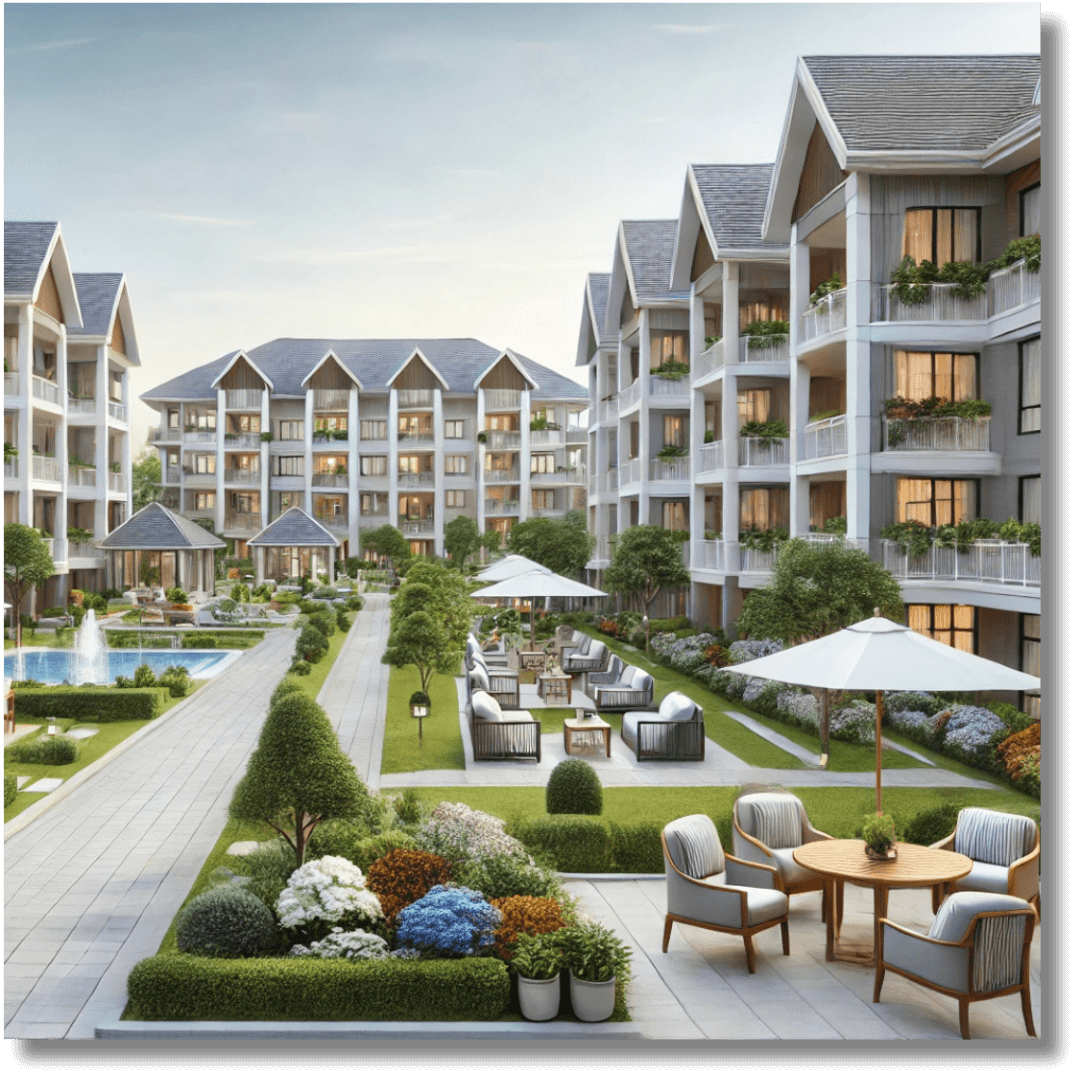 For seniors who are looking for a vibrant 55+ community and want to stay active and engaged, there are several fantastic options near Hinsdale. These communities are designed to offer maintenance-free living, resort-style amenities, and plenty of opportunities to connect with neighbors and stay active.
Oak Brook Club – Oak Brook
Just minutes from Hinsdale, Oak Brook Club is a gated condominium community that offers 55+ residents a low-maintenance, active lifestyle. This community spans 25 acres of landscaped grounds and provides walking paths, a clubhouse, a fitness center, and an outdoor pool. It’s perfect for those looking to downsize without sacrificing comfort or luxury, and it’s conveniently located near shopping and dining at Oakbrook Center.
The Greens of Elgin – Elgin
While a bit further from Hinsdale (about 30 minutes), The Greens of Elgin is a budget-friendly 55+ community that offers a range of independent living options. With amenities like a fitness center, planned social events, and maintenance-free condo living, it’s a great choice for active seniors who want to enjoy a lively and engaged lifestyle without breaking the bank.
Carillon Club – Naperville
Carillon Club in Naperville is a premier 55+ active adult community, offering a resort-style experience for its residents. With amenities like an on-site golf course, indoor and outdoor pools, fitness centers, and a clubhouse, it’s a great place for seniors who want to stay social and active. The community offers single-family homes, townhomes, and condos, providing options for all preferences and lifestyles.
The Residences at Fountain Square – Lombard
Located just 15 minutes from Hinsdale, The Residences at Fountain Square is a modern condo community for 55+ residents. With sleek, maintenance-free living, a fitness center, and a clubhouse, it’s ideal for active adults looking for a contemporary lifestyle close to both Hinsdale and Oak Brook.
Final Thoughts
Whether you’re looking for a retirement community that offers a continuum of care or a 55+ community designed for active living, the Hinsdale area has something for everyone. Each of these communities offers its own unique benefits, whether it’s luxurious amenities, a close-knit social environment, or flexible care options.
If you or your loved one is ready to make the move, or you’d like more information about any of these communities, feel free to reach out—I’d love to help guide you through the process and find the perfect place for this next chapter!
Download FREE Selling & Buying Guide



 Acknowledge those feelings. It’s okay to feel sadness, nostalgia, or even fear about making such a significant change. But also know that this transition is an opportunity to focus on what truly matters—your well-being, health, and the ability to create new memories in a space that better suits your lifestyle.
 Once you’ve made the decision to move, it’s time to look forward to what lies ahead. Whether you’re moving into a smaller home or a
 By comparing your home to similar properties that have sold recently (and noting how long they were on the market, if they sold over or under asking price, etc.), I’ll be able to give you a clearer picture of what to expect when you list your home for sale.


 This is in line with my longstanding practice of having upfront discussions with my clients. Before we list your home, we will go over all the details of the fees, including what portion, if any, you might choose to offer as compensation to the buyer’s agent. My goal has always been to ensure that you understand where every dollar is going, so there are no surprises later in the process.
 As a home seller, deciding whether to offer buyer agent compensation is a crucial part of your strategy. Despite recent changes in the real estate landscape, continuing to offer this compensation remains a smart move. Here’s why:
 Once you’ve gathered market analyses and marketing plans from several Realtors, you’ll be in a strong position to decide how to proceed. You’ll have a realistic understanding of your home’s value and a clear plan to attract buyers and maximize your selling price.