Raising kids, finding home & living well in Chicagoland

As a Realtor and lifelong Chicagoland resident, I see every day how housing decisions shape family life. This blog brings together my real estate work and real life, with local insight on neighborhoods, housing options, and the small, practical details that matter when you’re raising kids and making confident housing decisions across Chicago and the suburbs.

Jan. 5, 2026

Chicagoland Kids Guide to Hawks, Falcons & Birds of Prey

Hawks, Falcons & Big Curiosity: Where Chicagoland Kids Can Learn About Birds of Prey

A young child watching a bird of prey outdoors in Chicagoland Every once in a while, a kid’s curiosity latches onto something big. Dinosaurs. Trains. Space. And sometimes… hawks, falcons, owls, and the mysterious art of falconry.

If you’re a Chicagoland parent with a bird-obsessed kid (or one who casually asked for “a real hawk” for Christmas 🎄), you’re not alone. While full-on falconry summer camp for six-year-olds may be a bit ambitious, there are some fantastic local ways to nurture that interest without having a raptor move into your house.


See birds of prey up close at Chicago-area zoos

Lincoln Park Zoo (Chicago)

Lincoln Park Zoo is a fun, easy stop for young raptor fans. The Birds of Prey area is a great place to see impressive birds like eagles, owls, and vultures up close.

Make a day of it: Pair it with a walk around Lincoln Park or brunch nearby.

Visit Lincoln Park Zoo

Brookfield Zoo (Brookfield)

Brookfield Zoo has one of the biggest collections in the region, and you’ll often find birds of prey represented throughout exhibits and educational programming.

Local link: Exploring homes nearby? Here’s my guide to Brookfield.

Visit Brookfield Zoo


Falconry & raptor experiences

The Forge (Lemont)

The Forge offers falconry experiences with professional handlers, including opportunities to see hawks, falcons, and owls up close. Note: participants generally need to be age 9+, but it can still be worth watching demonstrations or asking about kid-friendly options for younger animal lovers.

Weekend idea: Lemont is a fun day trip. If outdoor access is on your wish list, check out Lemont.

Explore Falconry at The Forge

Wings and Talons (Chicagoland programs)

Wings and Talons brings live birds of prey (including owls, hawks, and falcons) to schools, libraries, park districts, and community events throughout Chicagoland. Their programs are especially great for younger elementary-aged kids.

Contact Wings and Talons

Illinois Raptor Center

Focused on rehabilitation, conservation, and education, the Illinois Raptor Center is a great resource if your kiddo is curious about how injured birds of prey are cared for and released.

Learn about the Illinois Raptor Center

Great Lakes Falconers Association

This volunteer group connects falconers across the region and occasionally hosts public demonstrations and events. If your child’s interest keeps growing, this can be a great place to learn more about falconry in an ethical, educational way.

Visit Great Lakes Falconers Association


Nature centers & birdwatching

Bird of prey education photo at a Chicagoland nature center Springbrook Nature Center (Itasca)

Springbrook Nature Center is a standout for raptor-loving kids. Their wildlife education area often includes resident birds of prey, and it’s one of the better local bets for seeing raptors like hawks (plus other species) up close in a nature-center setting.

Explore Itasca if you’re looking for suburbs with easy access to nature.

Visit Springbrook Nature Center

Try this: a “hawk hunt”

Grab kid binoculars and head to a local trail. Once you start looking up, you realize raptors are everywhere in Chicagoland.

  • Look for birds perched on light poles, tall trees, and fence lines
  • Listen for alarm calls from smaller birds (they often “announce” a hawk nearby)
  • Go in the morning for the best chance of sightings

Great jumping-off points include Oak Park, River Forest, Elmwood Park, Berwyn, La Grange, and Brookfield.

Bonus Chicago birdwatching spot: Bill Jarvis Migratory Bird Sanctuary

If you want a Chicago option that feels like a little nature escape, the Bill Jarvis Migratory Bird Sanctuary is a lovely spot to bring binoculars and see what you can find during migration. (Raptor sightings are always “maybe” in the wild, but that’s part of the fun.)

Visit Bill Jarvis Migratory Bird Sanctuary

Optional resource: DuPage Wildlife Conservation Center (Glen Ellyn)

For families interested in wildlife rehab and rescue, the DuPage Wildlife Conservation Center is a good local organization to know about. Just check their site before visiting, since public access can be impacted by construction or operational changes.

Learn about the DuPage Wildlife Conservation Center


👉 Why Chicagoland is such a great place to raise curious kids

One of the reasons I love living and working in Chicagoland is the access: zoos, forest preserves, and hands-on learning are part of everyday life here.

If you’re raising curious kids and thinking about how neighborhood, schools, and green space factor into your next move, I’m always happy to talk it through.

Call or text: 630-248-1976
Email: laurie@OPRFhomesforsale.com

Related Chicago neighborhoods: Lincoln Park, Lake View, Logan Square, West Loop

Dec. 29, 2025

Do Buyers Really Need a Buyer’s Agent?

Over the past year, there’s been a lot of confusion and conversation around buyer representation, contracts, and whether buyers “need” a buyer’s agent at all. The short answer is simple.

No buyer is legally required to have a buyer’s agent.
But the longer, more important answer is about understanding what that choice actually means.

Buyers have options, and always have

Buyers have always had the right to purchase a home without hiring their own agent. That hasn’t changed.

Some buyers are very comfortable navigating the process on their own, especially if they’re experienced, have bought and sold multiple homes, or feel confident evaluating pricing, risk, and contracts independently.

Others prefer support. And that’s where buyer representation comes in.

What a buyer’s agent actually does


A buyer’s agent works exclusively for the buyer, with a fiduciary duty to protect the buyer’s interests. That means loyalty, confidentiality, and full disclosure, all aimed at helping the buyer make informed decisions.

Buyers often choose to work with a buyer’s agent because they want:

  • Independent advice that isn’t influenced by the seller’s goals
  • Help evaluating pricing and market value, especially in competitive or fast-moving markets
  • Guidance through inspections, disclosures, and contract terms, where small details can have big consequences
  • Risk assessment, including identifying red flags that aren’t obvious during a showing
  • Access to off-market or private listings, which are common in some neighborhoods and price points
  • A negotiator whose fiduciary duty is only to them, not split between buyer and seller

The role of the listing agent

It’s also important to understand what happens when a buyer works directly with the listing agent.

The listing agent’s fiduciary responsibility is to the seller. Their job is to secure the best possible terms for that seller, price, timing, and conditions, while following the law and treating all parties fairly.

That doesn’t mean a listing agent is unethical or unhelpful. It simply means their legal obligation is not to the buyer.

Some buyers are perfectly comfortable navigating that dynamic. Others prefer having someone whose sole responsibility is to advocate for them.

Negotiating power, a common misunderstanding

One of the most common misconceptions is that skipping a buyer’s agent automatically gives the buyer more negotiating power.

In practice, negotiating strength comes from:

  • Understanding market conditions
  • Knowing how pricing strategies work
  • Evaluating risk and leverage
  • Structuring offers effectively
  • Anticipating how sellers are likely to respond

Whether or not a buyer has an agent doesn’t inherently change those factors. What matters is whether the buyer understands the playing field and has the information they need to negotiate strategically.

Why transparency matters more than ever

Recent changes in real estate practices were designed to increase transparency, not to force buyers into using agents, and not to eliminate choice.

The goal is for buyers to clearly understand:

  • Who represents whom
  • What agreements they’re signing
  • How compensation works
  • What they’re gaining or giving up with each option

There is no one-size-fits-all approach. The “right” choice depends on the buyer’s experience level, comfort with risk, familiarity with contracts, and the complexity of the transaction.

The bottom line

Buyers don’t need a buyer’s agent, but many choose one because informed representation can reduce risk, provide clarity, and offer guidance in what is often the largest financial decision of their lives.

The most important thing isn’t which option a buyer chooses. It’s that they make that choice with full understanding, not based on outdated assumptions or incomplete information.

If you’re thinking about buying and want to talk through your options, with no pressure and no one-size-fits-all advice, I’m always happy to have that conversation.


FAQ

Do I have to sign something before a Realtor can show me a home?

In many places, yes. Rules and brokerage policies have shifted recently, and in a lot of markets an agent will need a signed agreement in place before providing certain services, including showings. The key is to read what you’re signing and understand what it does and does not commit you to.

Can the listing agent show me the house instead of me hiring a buyer’s agent?

Often, yes. But the listing agent represents the seller. They may be able to facilitate access and provide information, but their fiduciary duty is to the seller’s best interests. Some buyers are fine with that, others prefer their own representation.

If I don’t use a buyer’s agent, will the house be cheaper?

Not automatically. Price is driven by the market, the seller’s goals, and the strength of competing offers. In some situations, compensation structure can be part of negotiations, but there is no guaranteed discount just because a buyer is unrepresented.

What is a fiduciary duty, in plain English?

It means your agent is legally obligated to put your interests first, keep your confidential information private, and be honest about what they know. A buyer’s agent owes that duty to the buyer. A listing agent owes it to the seller.

What does a buyer’s agent help with, besides opening doors?

Strategy, pricing guidance, and risk management. That can include offer structure, negotiation terms, inspection guidance, reviewing disclosures, spotting red flags, coordinating vendors, and keeping the timeline on track from contract to close.

What is an “off-market” or “private” listing?

These are homes that are marketed outside the public MLS feed, sometimes within agent networks or private listing platforms. In some areas they are common, and having an agent plugged into those networks can expand what you see.

Can I sign a buyer agreement that’s limited, like one house or one weekend?

Often, yes. Many agreements can be written with specific timeframes, geographic areas, or property types. The point is to match the agreement to what you actually need, and make sure you understand the terms before you sign.

What should I look for before signing any buyer representation agreement?
  • How long the agreement lasts
  • Whether it is exclusive or non-exclusive
  • What services are included
  • How compensation is handled and when it could be owed
  • How to cancel or end the agreement if it is not a fit

If anything feels unclear, ask questions until it is clear. A good agent will want you to understand it.

I’m a first-time buyer. Is using a buyer’s agent worth it?

For many first-time buyers, yes, because the contract, inspection process, and negotiation details can be overwhelming. A buyer’s agent can help you avoid common pitfalls and make decisions with more confidence. But it is still your choice.

What if I’ve already been shown a home by an agent, but I’m not sure I want to work with them?

This depends on what you signed, and whether anything was signed at all. If you did sign an agreement, review the term and cancellation details. If you did not sign anything, you still want to be thoughtful and fair about how you proceed. When in doubt, ask for clarity in writing.

Nov. 29, 2025

Things to Do in Oak Park This Holiday Season: Kid Activities, Winter Events & Local Favorites

Oak Park Holiday Fun With Little Ones (And Some Grown-Up Magic, Too)

One of my favorite things about Oak Park is how quickly a simple question in a local parent group turns into a whole list of ideas. Recently, a mom asked for “must-do” holiday activities that are friendly for a two-year-old. The answers were so good that I pulled them together here – plus I added some of my own real-estate-agent-around-town research, and a few date-night and grown-up gift ideas for good measure.


Whether you’re brand new to Oak Park or just looking to freshen up your traditions, here’s a local-approved holiday bucket list.


Holiday must-dos with toddlers and preschoolers

1. Wonder Works & other indoor play spots

2. Park District of Oak Park holiday events

3. Simple snow-day fun close to home

4. “Home for the Holidays” & the Downtown Oak Park cookie walk

  • Downtown Oak Park’s Home for the Holidays brings horse-drawn carriage rides, a cocoa walk, and photos with Santa right to Lake & Marion.
  • The annual Winterfest & Cookie Walk lets you collect treats from participating businesses in a keepsake cookie tin – very stroller-friendly and sugar-sprinkled.

5. Hemingway District Shop Small + Tree Lighting

  • Follow the reindeer trail at the Hemingway District during their Shop Small & Tree Lighting event (map often includes character photos, cocoa, and more).

6. Forest Park holiday walks & small-business fun

7. Nature-y winter adventures


Holiday date-night (or grown-up) ideas

1. Cozy drinks & bites in and near Downtown Oak Park

  • Start or end the evening with live music and cocktails at New Sound Café (just east of Oak Park in the city).
  • Grab dinner and a house-brewed beer at One Lake Brewing.
  • Try the new neighborhood hot spot Mira Social for elevated comfort food and a fun bar vibe.
  • Warm up over coffee, wine, or brunchy bites at Citrine Café.
  • Treat yourselves to sweet or savory crepes (and sometimes special holiday cocoa) at Crepas Culichi.
  • Cap off your evening at Kettlestrings Grove for cocktails, bites, and neighborhood atmosphere.

2. Local theatre & comedy nights

3. A Hemingway District evening

4. Local shops for the perfect grown-up gifts


  • Careful Peach Boutique for beautifully curated home goods, gifts, and European-inspired treats.
  • The Book Loft in Oak Park for books, author events, and cozy browsing.
  • Team Blonde in Forest Park for jewelry, accessories, and spa gifts (perfect for teacher or caregiver presents, too).
  • Village & Vessel for plants, handmade goods, and modern home décor.

Making Oak Park feel like “home for the holidays”

Part of why I love living and working in Oak Park is that you don’t have to go far to make big holiday memories. From toddler-friendly sledding hills and museum days to twinkly date nights and local shopping, there’s a way for every family to write their own version of “home for the holidays” right here in our villages.

If you’re dreaming about putting down deeper roots in Oak Park, Forest Park, River Forest, or the nearby suburbs, I’m always happy to talk neighborhoods, schools, commute lines – and yes, the best places to find hot cocoa along the way.

Oct. 13, 2025

The Sandwich Generation’s Long Game | Downsizing for Empty Nesters in Oak Park & Chicago Suburbs

The Sandwich Generation’s Long Game: When Downsizing Means Making Room for Everyone Else

If you thought the “sandwich generation” stage ended once your kids left home, you’re not alone — but the truth is, it often lasts much longer than most people expect.

Across Oak Park, Elmwood Park, and the Chicago suburbs, many of today’s empty nesters are finding themselves caring for two generations at once: helping adult children launch into independence while also supporting aging parents who need more day-to-day help. It’s a balancing act that impacts nearly every part of life — including housing choices.

Why more downsizers are part of the sandwich generation

For a lot of my clients in their 50s and 60s, the decision to downsize isn’t just about maintenance or mortgage payments. It’s about energy — emotional, physical, and financial.

They’re looking for homes that make life easier. Fewer stairs. Less yardwork. Layouts that work when Mom or Dad needs to stay overnight after a doctor’s visit. And yes, spaces that still have room for grandkids, visiting college-age kids, or family dinners that bring everyone back together.

The emotional side of right-sizing

Caring for parents while planning your own next chapter can feel like juggling two full-time jobs. There’s guilt about letting go of the family home, worry about what’s next, and a longing for simplicity that doesn’t always come easy.

But once the move happens, most people tell me the same thing: “I wish I’d done this sooner.”

That’s because downsizing — or more accurately, right-sizing — isn’t about giving something up. It’s about creating breathing room. With less to maintain, you gain more time for connection, caregiving, travel, and living life on your own terms.

What right-sizing can look like

For some, it’s a move to a condo in downtown Oak Park where everything you need is within walking distance.

For others, it’s finding a ranch-style home in the western suburbs that allows single-level living and easy accessibility for visiting parents.

And for some, it’s exploring a 55+ active adult community that offers social connections and low-maintenance living close to family.

No two downsizing journeys look the same, and that’s okay. The goal is to find the right balance between independence, family connection, and peace of mind.

You’re not alone in this stage

The sandwich generation is one of the fastest-growing groups in today’s housing market. If you’re navigating how to care for parents, support your kids, and still carve out a life that feels manageable — you’re in good company.

I help clients across Oak Park, River Forest, Elmwood Park, and the near-west suburbs find homes that work for real life — not just right now, but for what’s coming next.


Thinking about downsizing or right-sizing your home?
Let’s talk through your options and find the space that fits your next chapter.

Laurie Christofano, Realtor with RE/MAX In The Village
Serving Oak Park, Elmwood Park, River Forest & Chicago’s western suburbs since 2007
laurie@OPRFhomesforsale.com  |  630-248-1976
www.OPRFhomesforsale.com


Oct. 2, 2025

Free and Low-Cost Fall Festivals and Pumpkin Patches in Chicago & Suburbs (October 2025)

Free and low-cost fall fests and pumpkin patches in Chicago & the suburbs (October 2025)

Fall in Chicagoland is pure magic — crisp air, colorful leaves, pumpkins on every porch, and festivals nearly every weekend. Whether you’re looking for a family-friendly pumpkin patch, a community fall fest, or a grown-ups-only Halloween bar crawl, there are plenty of free and budget-friendly options this October and into the first weekend of November 2025.

Here’s your guide to the best free and low-cost fall festivals, pumpkin patches, and Halloween events in Chicago and the suburbs.


🎃 Family-friendly fall fests & pumpkin patches

Lincoln Park Zoo Fall Fest (Chicago)

📍 2001 N. Clark St., Chicago
📅 Sept. 26 – Oct. 26, 2025
💲 Free admission; some attractions ticketed
Lincoln Park Zoo transforms into a fall wonderland with a pumpkin patch, hay mountain, animal enrichment, and photo ops. Admission is free, with optional ticketed rides and activities.
Details here

Sonny Acres Farm Fall Festival (West Chicago)

📍 29W310 North Ave., West Chicago
📅 Sept. 20 – Oct. 30, 2025
💲 Free admission and parking
A classic family tradition: pumpkins, hayrides, sweet treats, and seasonal fun.
sonnyacres.com

Highwood Pumpkin Festival (Highwood)

📍 Downtown Highwood, IL
📅 Oct. 2 (Community Night) + Oct. 3–5, 2025
💲 Free admission
This North Shore favorite is known for thousands of glowing jack-o’-lanterns, live music, and a Guinness World Record attempt for most pumpkins lit.
highwoodpumpkinfest.com

Cantigny Park Fall Festival (Wheaton)

📍 1S151 Winfield Rd., Wheaton
📅 Weekend of Oct. 11, 2025
💲 Low-cost activities ($1 hayrides, $1 petting zoo feed, crafts)
A family event with hayrides, games, pumpkin decorating, and more.
cantigny.org

Siegel’s Cottonwood Farm Pumpkin Fest (Lockport)

📍 17250 Weber Rd., Lockport
📅 Sept. 20 – Nov. 2, 2025
💲 Admission applies, but lots of included activities
A farm favorite with a pumpkin patch, corn maze, animals, and shows.
ourpumpkinfarm.com

Kuipers Family Farm (Maple Park)

📍 1N318 Watson Rd., Maple Park
📅 Sept. 20 – Nov. 2, 2025
💲 Admission applies
Apple picking, pumpkin fields, and a full lineup of fall fun that runs through Halloween weekend.
kuipersfamilyfarm.com

Sugar Grove Pumpkin Farm (Sugar Grove)

📍 4S041 Merrill Rd., Sugar Grove
📅 Open through Oct. 30, 2025
💲 Affordable family pricing (e.g. $5 pair + child, $10 family package)
Great low-cost option for smaller kids who just want pumpkins and some gentle activities.


🍂 Seasonal festivals & cultural events

Autumn in the Park Festival (Palos Park)

📍 8901 W. 123rd St., Palos Park
📅 Sept. 19–20, 2025
💲 Free admission and free parking
A charming community festival with food, music, and fall-themed activities.
palospark.org

IPHS Fall Fest on the Riverwalk (Chicago)

📍 Chicago Riverwalk
📅 Saturdays in October: Oct. 4, 11, 18, 25, 2025
💲 Free / low-cost activities
Family-friendly entertainment with hayrides and fall décor right along the river.

Night of 1,000 Jack-o’-Lanterns (Glencoe)

📍 Chicago Botanic Garden, 1000 Lake Cook Rd., Glencoe
📅 Late October 2025 (select evenings)
💲 Ticketed but affordable for the experience
See hundreds of artist-carved pumpkins illuminated along the garden paths.
chicagobotanic.org


👻 Halloween weekend fun (Oct. 31 – Nov. 2, 2025)

Jack’s Pumpkin Pop-Up (Chicago – Goose Island)

📍 1465 N. Elston Ave., Chicago
📅 Sept. – Nov. 2, 2025
💲 Admission applies
Chicago’s largest outdoor fall pop-up with a corn maze, food trucks, games, and tons of Instagram-worthy backdrops.
jackspumpkinpopup.com

Crawl-O-Ween (Rosemont)

📍 Parkway Bank Park, 5501 Park Place, Rosemont
📅 Saturday, Nov. 1, 2025 — 1:00 pm to 5:00 pm
💲 $10 in advance (includes drink/food specials + 2 Zanies Comedy Club vouchers); $15 walk-up
An adults-only Halloween bar crawl with themed cocktails, food specials, and a chance to win prizes if you hit every stop. Costumes encouraged!
rosemont.com

Bengtson’s Pumpkin Farm Fall Fest (Homer Glen)

📍 13341 W. 151st St., Homer Glen
📅 Through Nov. 2, 2025
💲 Admission applies
A Chicagoland classic — pumpkins, rides, petting zoo, pig races, and more.
pumpkinfarm.com


📝 Final tips for enjoying fall in Chicagoland

  • Free vs. paid: Many of these festivals have free entry but charge for extras like rides or food.
  • Crowds: Mid-October weekends are peak — go early or on weekdays if you can.
  • Weather: Fall weather here is unpredictable — pack layers, and check event pages for rain plans.
  • Mix it up: Do a family pumpkin patch outing by day, then try an adult-friendly event like Crawl-O-Ween by night.

✨ Whether you’re a city dweller or suburban explorer, Chicagoland’s fall festivals offer something for everyone. Mark your calendars, grab your pumpkin spice latte (or spiked cider), and soak up every last bit of autumn magic before the snowflakes fly.


P.S. While you’re out picking pumpkins, don’t forget about picking your next home too 😉. If you’re thinking about buying, selling, or downsizing in Chicago or the suburbs, I’d love to help make your move as smooth as fall apple cider.

🔍 Start Your Home Search 🏡 Thinking of Selling?

March 30, 2025

Where to Downsize? Expert Tips from Chicago Realtor Laurie Christofano

How to Figure Out Where to Downsize: A Guide by Laurie Christofano, RE/MAX In The Village

Downsizing can be both an exciting and overwhelming process. Whether you're an empty nester, a retiree, or simply looking for a more manageable home, choosing the right location is key to ensuring your new space fits your lifestyle.

As a Realtor with 18 years of experience serving Chicago and its suburbs, I've helped countless clients navigate the downsizing process. In this guide, I'll walk you through the essential steps to determine the best place to downsize—so you can make a confident, well-informed decision.

Step 1: Assess Your Needs & Priorities

Before searching for a new home, ask yourself:

What's motivating your move?

  • Lower maintenance
  • Financial freedom
  • Closer to family/friends
  • Access to amenities

What type of home suits you best?

  • Condo (lock-and-leave convenience)
  • Townhome (less upkeep than a house)
  • Smaller single-family home
  • 55+ community

What's non-negotiable?

  • Walkability / pedestrian friendly?
  • Proximity to healthcare?
  • Public transportation?
  • HOA vs. no HOA?

Step 2: Explore Chicago & Suburban Downsizing Hotspots

Chicago and its suburbs offer fantastic downsizing options. Here are some top areas to consider:

1. Downtown Chicago (Condos & High-Rises)

  • Best for: Urban lovers who want walkability, dining, and cultural attractions.
  • Neighborhoods: The Loop, River North, Gold Coast, Lincoln Park.
  • Perks: Low-maintenance living, proximity to Lake Michigan, and public transit.

2. Near West/Near North Suburbs (Evanston, Oak Park, Skokie)

  • Best for: Those who want a quieter lifestyle but still easy city access.
  • Perks: Great restaurants, parks, and Metra access to downtown.

3. Northwest Suburbs (Arlington Heights, Palatine, Schaumburg)

  • Best for: Retirees or those seeking affordability and great amenities.
  • Perks: Highly-rated senior communities, shopping (Woodfield Mall), and top healthcare.

4. Southwest Suburbs (Naperville, Downers Grove, Hinsdale)

  • Best for: Upscale downsizing with excellent schools (if grandkids visit).
  • Perks: Charming downtowns, top-rated hospitals, and Metra access.

5. Active Adult Communities (Del Webb, Sun City Huntley)

  • Best for: 55+ buyers looking for resort-style living.
  • Perks: Social activities, maintenance-free homes, and built-in community.

Step 3: Financial Considerations

Downsizing isn't just about space—it's about smart financial planning.

💰 Will you save money?

  • Smaller homes = lower property taxes, utilities, and maintenance.
  • Condos may have HOA fees—factor those into your budget.

💰 Selling your current home first?

  • Chicago's market is competitive—I can help you maximize your sale price.
  • Consider a reverse mortgage or renting out your home if you're not ready to sell.

💰 Downsizing for profit?

  • Many suburban sellers cash out equity and buy a smaller home mortgage-free.

Step 4: Visit & Test Out Potential Areas


Before committing:

🔹 Spend a weekend in the neighborhood.

🔹 Talk to locals—ask about safety, noise, and community vibes.

🔹 Check commute times (if you still work or visit family often).

🔹 Test drive to grocery stores, hospitals, and entertainment spots.

Step 5: Work with a Realtor Who Knows Downsizing

As an 18-year Chicago and suburban Realtor with RE/MAX In The Village, I specialize in helping clients:

Find the perfect downsizing location

Navigate condo vs. single-family home trade-offs

Sell their current home for top dollar

Identify hidden-gem neighborhoods

Final Thoughts

Downsizing should simplify your life—not add stress. By clarifying your priorities, exploring the best Chicago and suburban locations, and working with an experienced Realtor, you'll find a home that fits your next chapter perfectly.

Ready to start your downsizing journey? Contact me today for a personalized consultation!

📞 Call Laurie Christofano at 630-248-1976

📧 Email: laurie@OPRFhomesforsale.com

🌐 Visit: OPRFhomesforsale.com

Oct. 26, 2024

Creative Financing Options for Downsizing Your Home

Creative Financing Options for Downsizers: How to Make a New Mortgage More Manageable

One of the biggest hesitations for many empty nesters and downsizers considering a move is giving up their low mortgage rate. After all, who wouldn’t want to hold on to a rate in the 2-3% range? But if your current home no longer fits your lifestyle, there are options to help you transition into a new space without feeling the financial pinch of today’s higher rates. Let’s explore some creative financing options that could make your next mortgage more manageable.

1. Adjustable-Rate Mortgages (ARMs)

While fixed-rate mortgages have been the go-to choice for many homeowners, an adjustable-rate mortgage (ARM) could be worth considering, especially if you don’t plan to stay in your new home long-term. ARMs typically offer a lower interest rate than fixed-rate loans for an initial period—often 5, 7, or 10 years—after which the rate adjusts based on market conditions. This option can provide lower monthly payments for the first few years, giving you time to enjoy your downsized lifestyle while paying less upfront.

  • Pros: Lower initial monthly payments, potential savings if you don’t plan to stay in the home long-term.
  • Cons: Rates can increase after the initial fixed period, so it’s essential to have a plan for managing potential future adjustments.

2. Buydown Programs

A mortgage rate buydown is a financing option where you pay a fee upfront to reduce the interest rate on your mortgage for the first few years of the loan. This can be particularly helpful for those who may feel financially stretched with today’s rates but expect their income or financial situation to stabilize in the future.

For example, with a “2-1 buydown,” your interest rate would be reduced by 2% in the first year and 1% in the second year, before returning to the full rate in the third year. This allows you to ease into the new mortgage with lower payments at the beginning.

  • Pros: Eases financial burden in the first years of homeownership, provides time to adjust to a new mortgage payment.
  • Cons: Requires an upfront payment or fee, and payments will increase after the buydown period.

3. Bridge Loans

If you’re in the unique position of purchasing a new home before selling your current one, a bridge loan can be a helpful tool. A bridge loan is a short-term loan that allows you to use the equity in your current home to make a down payment on your new home. Once you sell your original home, you can pay off the bridge loan.

This option can be a lifeline for those needing flexibility between selling one home and buying another, helping you avoid feeling rushed or pressured in the timing of your move.

  • Pros: Allows you to buy a new home before selling, helpful for timing flexibility.
  • Cons: Short-term loan with higher interest rates, so it’s best suited for those confident in selling their current home soon after purchasing.

4. Home Equity Line of Credit (HELOC)

A Home Equity Line of Credit (HELOC) can be another option if you have significant equity in your current home. A HELOC allows you to borrow against your home’s equity, which you can then use for a down payment or to cover closing costs on your new home. With this approach, you only pay interest on the amount you use, making it a flexible option for those looking to fund part of their purchase without committing to a full new mortgage right away.

  • Pros: Flexible, as you only pay interest on what you borrow; can be used to cover down payments or closing costs.
  • Cons: Puts your current home as collateral, and HELOC rates are typically variable, meaning they can fluctuate over time.

5. Interest-Only Loans

An interest-only loan allows you to pay just the interest portion of the mortgage for a certain period—usually between 5 to 10 years. This results in lower initial payments, giving you time to adjust to a new mortgage with less financial strain. After the interest-only period ends, the loan transitions to regular payments of both principal and interest.

  • Pros: Lower monthly payments during the interest-only period, freeing up cash flow for other needs.
  • Cons: Monthly payments will increase significantly after the interest-only period, so it’s essential to have a financial plan for when the full payment kicks in.

6. Loan Assumptions

In certain cases, particularly with FHA or VA loans, it may be possible to “assume” the seller’s mortgage and take over their interest rate. While not always available, this option can be ideal for those looking to keep their monthly payments lower, especially if the seller’s rate is lower than current market rates. This strategy is often a lesser-known path that can make a big difference in your financing options.

  • Pros: Keeps a low interest rate if the seller’s mortgage allows assumption, which could mean significant savings.
  • Cons: Availability varies, and not all loans are assumable, so it requires careful exploration with a lender.

Next Steps: Talk to a Local Mortgage Professional

Navigating these creative financing options can feel complex, but you don’t have to go it alone. The right mortgage professional can guide you through the options, helping you understand the long-term implications of each choice and find one that aligns with your goals and financial situation. They can offer insights into lesser-known programs, assist with the application process, and tailor solutions to fit your unique needs as a downsizer or empty nester.

Curious about which option might work best for you? Connect with me today, and I’ll refer you to one of the top local lenders who can help you explore these options and find the right financing solution for your next chapter.

Download FREE Selling & Buying Guide

Oct. 22, 2024

Top Retirement and 55+ Communities Near Hinsdale for Active Seniors

Top Retirement and 55+ Communities Near Hinsdale for Active Seniors

If you’re on the hunt for the perfect community for a healthy, active parent or loved one moving to the Hinsdale area, you’re in the right place. The Hinsdale area offers a variety of retirement and 55+ communities that cater to independent seniors who want to stay active, connected, and engaged with life while having the peace of mind that additional care is available as needed. Whether you’re looking for a retirement community with a continuum of care or a vibrant 55+ community with plenty of amenities, we’ve got you covered.

Retirement Communities with Continuum of Care Near Hinsdale

For seniors who want to maintain an independent lifestyle but may need assistance or elder care in the future, there are several top-notch retirement communities near Hinsdale. Here are a few that offer a range of living options, from independent to assisted living and skilled nursing care:

King-Bruwaert House – Burr Ridge

Located in nearby Burr Ridge, King-Bruwaert House is an ideal choice for seniors who want to stay active and independent while having the comfort of knowing that skilled nursing and assisted living services are available when needed. Set on a beautiful, peaceful campus, this community offers a wide range of amenities, including walking trails, fitness programs, and social activities. Residents can enjoy a vibrant, healthy lifestyle while having access to future care as required.

Plymouth Place – La Grange Park

Plymouth Place in La Grange Park is a continuing care retirement community that offers everything from independent living to skilled nursing and memory care. For those who love staying active and social, this community has it all: fitness programs, cultural events, and even a full slate of wellness offerings. It’s a great option for seniors who want to age in place with access to increasing levels of care over time.

The Birches Assisted Living – Clarendon Hills

For a smaller, more intimate setting, The Birches Assisted Living in Clarendon Hills offers a cozy and supportive community. This is an excellent choice for active seniors who enjoy a close-knit environment and a wide range of physical and social activities. While it primarily focuses on assisted living, it provides an engaging atmosphere with the option to transition into higher levels of care when needed.

Meadowbrook Manor – La Grange

Known for its skilled nursing and rehabilitation services, Meadowbrook Manor in La Grange also offers assisted living for seniors who want to live independently while having access to future care. It’s a flexible and supportive environment that ensures seniors can enjoy life at their own pace, while knowing they’ll be well taken care of as their needs evolve.


55+ Communities Near Hinsdale for Active Adults

For seniors who are looking for a vibrant 55+ community and want to stay active and engaged, there are several fantastic options near Hinsdale. These communities are designed to offer maintenance-free living, resort-style amenities, and plenty of opportunities to connect with neighbors and stay active.

Oak Brook Club – Oak Brook

Just minutes from Hinsdale, Oak Brook Club is a gated condominium community that offers 55+ residents a low-maintenance, active lifestyle. This community spans 25 acres of landscaped grounds and provides walking paths, a clubhouse, a fitness center, and an outdoor pool. It’s perfect for those looking to downsize without sacrificing comfort or luxury, and it’s conveniently located near shopping and dining at Oakbrook Center.

The Greens of Elgin – Elgin

While a bit further from Hinsdale (about 30 minutes), The Greens of Elgin is a budget-friendly 55+ community that offers a range of independent living options. With amenities like a fitness center, planned social events, and maintenance-free condo living, it’s a great choice for active seniors who want to enjoy a lively and engaged lifestyle without breaking the bank.

Carillon Club – Naperville

Carillon Club in Naperville is a premier 55+ active adult community, offering a resort-style experience for its residents. With amenities like an on-site golf course, indoor and outdoor pools, fitness centers, and a clubhouse, it’s a great place for seniors who want to stay social and active. The community offers single-family homes, townhomes, and condos, providing options for all preferences and lifestyles.

The Residences at Fountain Square – Lombard

Located just 15 minutes from Hinsdale, The Residences at Fountain Square is a modern condo community for 55+ residents. With sleek, maintenance-free living, a fitness center, and a clubhouse, it’s ideal for active adults looking for a contemporary lifestyle close to both Hinsdale and Oak Brook.


Final Thoughts

Whether you’re looking for a retirement community that offers a continuum of care or a 55+ community designed for active living, the Hinsdale area has something for everyone. Each of these communities offers its own unique benefits, whether it’s luxurious amenities, a close-knit social environment, or flexible care options.

If you or your loved one is ready to make the move, or you’d like more information about any of these communities, feel free to reach out—I’d love to help guide you through the process and find the perfect place for this next chapter!

Download FREE Selling & Buying Guide

Oct. 18, 2024

Albany Park Real Estate

Albany Park Real Estate: A Hidden Gem in Chicago’s Northwest Side

If you’re searching for a vibrant, culturally rich neighborhood to call home, look no further than Albany Park. Nestled on the northwest side of Chicago, Albany Park is known for its diversity, community spirit, and beautiful tree-lined streets. Whether you're a first-time buyer or looking to upsize, this neighborhood offers a wide range of housing options, from charming bungalows to spacious multi-family homes. It’s no wonder that Albany Park real estate continues to attract buyers from all over the city.

Why Albany Park?

Albany Park’s appeal lies in its unique blend of urban convenience and suburban tranquility. Residents enjoy easy access to public transportation, including the Kimball Brown Line station, which makes commuting downtown a breeze. The neighborhood also boasts a wide array of restaurants, parks, and community events that showcase its diverse culture.

If you're thinking about buying a home here, you’ll find that houses for sale in Albany Park offer excellent value compared to many other Chicago neighborhoods. Whether you're seeking a single-family home with a yard or a multi-unit property with rental potential, Albany Park has something for everyone.

Explore your options for Albany Park real estate on my Albany Park homes for sale page, where you’ll find up-to-date listings and details on the latest properties hitting the market.

Types of Homes Available in Albany Park

  • Single-Family Homes: From classic brick bungalows to updated modern homes, single-family houses in Albany Park offer spacious living, often with backyards and garages. Many of these homes feature vintage architectural details alongside modern amenities, making them perfect for families or buyers looking to settle into a neighborhood with a rich history.
  • Condos and Townhomes: If you prefer low-maintenance living, Albany Park also has a growing selection of condos and townhomes. These properties are ideal for young professionals, downsizers, or anyone seeking modern amenities within walking distance of parks, public transit, and local eateries.
  • Multi-Family Homes: For those looking for investment opportunities, multi-family homes in Albany Park are a fantastic option. With its high demand for rental properties and strong community ties, Albany Park provides an excellent environment for landlords. Multi-unit properties here are often well-maintained and provide rental income for savvy investors.

Living in Albany Park: What You Can Expect

One of Albany Park’s greatest strengths is its vibrant, tight-knit community. The neighborhood is home to a diverse population, and this is reflected in its variety of international cuisine, cultural events, and local shops. Whether you're enjoying a stroll through River Park or grabbing a bite at a family-owned restaurant, there's always something new to discover in Albany Park.

The neighborhood also offers plenty of green space for outdoor activities. With access to parks like Gompers Park and the North Branch of the Chicago River, residents can enjoy weekend picnics, kayaking, or simply walking along the river trails.

Public transportation is another key benefit of living in Albany Park. With the Brown Line just a short walk away, commuting downtown is quick and convenient. This, combined with the neighborhood’s affordability, makes Albany Park a prime choice for buyers who want to be close to the city while enjoying a quieter, residential atmosphere.

Is Now the Right Time to Buy in Albany Park?

Albany Park continues to be one of Chicago’s most sought-after neighborhoods, and demand for homes remains high. With competitive prices and a steady flow of new listings, now is an excellent time to explore your options in the neighborhood. As interest in the area grows, Albany Park real estate is sure to appreciate, making it a smart investment for both first-time buyers and seasoned investors.

Ready to take the next step? Visit my Albany Park real estate page for the latest listings, or contact me directly to schedule a viewing of your potential new home!

Final Thoughts on Albany Park

Whether you're drawn to the neighborhood for its rich culture, convenient location, or affordable homes, Albany Park is a fantastic place to live. With so many housing options available, from single-family homes to investment properties, there's no shortage of opportunity in this vibrant Chicago community. If you’re considering making the move, explore all that Albany Park has to offer by checking out the latest houses for sale in Albany Park on my dedicated listings page.

Download FREE Selling & Buying Guide

Oct. 9, 2024

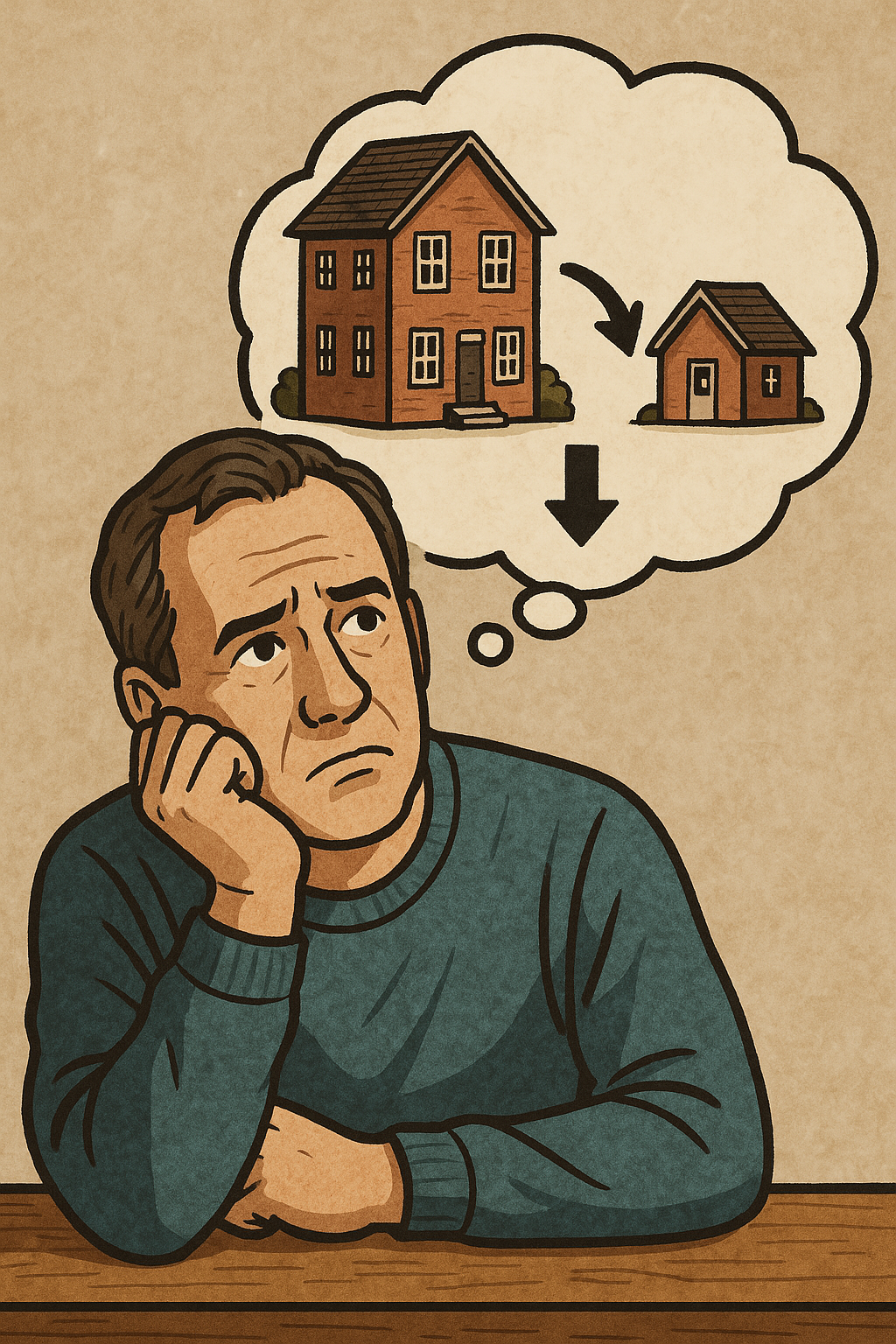
The Emotional Side of Downsizing: Letting Go of Your Longtime Home

The Emotional Side of Downsizing: Letting Go of Your Longtime Home

Downsizing is more than just a financial or practical decision—it’s often an emotional journey. For many, selling a longtime home means saying goodbye to decades of memories. The house where children grew up, holidays were celebrated, and life unfolded can feel impossible to leave behind.

But it’s important to recognize that letting go doesn’t mean losing those cherished memories. Instead, it opens the door to new opportunities, whether you’re moving to a ranch-style home, an elevator condo, or exploring active adult communities.

Understanding the Emotional Attachment

It’s common to feel a deep emotional connection to your home. The rooms, the backyard, and even the quirks of the property may all hold sentimental value. Moving from a larger family home can feel like leaving a part of your identity behind.

Acknowledge those feelings. It’s okay to feel sadness, nostalgia, or even fear about making such a significant change. But also know that this transition is an opportunity to focus on what truly matters—your well-being, health, and the ability to create new memories in a space that better suits your lifestyle.

Coping with the Process

  • Give Yourself Time: Rushing into a decision can make the process more difficult. Allow yourself time to come to terms with the idea of downsizing and process the emotions that come with it.
  • Cherish the Memories: Take time to celebrate your home before moving on. Create a memory book, host a farewell gathering, or take photos of your favorite spots. You can explore more downsizing resources here for support through this phase.
  • Focus on the Benefits: Downsizing often means less maintenance, lower costs, and a space that’s easier to manage. This change can bring freedom, physically and financially, allowing you to live more comfortably.

Embracing Your New Space

Once you’ve made the decision to move, it’s time to look forward to what lies ahead. Whether you’re moving into a smaller home or a condo in an elevator building, think of it as a fresh start. It’s a chance to create new memories in a space that is better suited to your needs.

  • Customize Your New Home: Make your new space feel like home by bringing along meaningful items and personal touches. Downsizing doesn’t mean you have to give up everything—it’s about choosing what matters most.
  • Stay Connected: Many people worry about feeling isolated after moving. Be proactive in staying connected with friends and family and consider getting involved in your new community.

Final Thoughts: Moving Forward

The emotional aspects of downsizing are real, and it’s okay to feel a range of emotions throughout the process. Remember, downsizing doesn’t mean leaving everything behind; it’s about moving forward, simplifying your life, and embracing new possibilities. For a custom evaluation of how much your home is worth today, you can request a free home valuation.

If you’re thinking about downsizing and want help navigating the process—emotionally and practically—reach out today. I’m here to guide you every step of the way.

Download FREE Selling & Buying Guide