


Harness the Rain: Eco-Friendly Gardening for a Better Tomorrow
Hello, fellow Chicagoland green thumbs and nature enthusiasts! Today, we're diving into a fascinating topic that marries the beauty of gardening with the practicality of stormwater management. Inspired by insights from garden expert Jeff Lorenz, featured on Gardenista, we're exploring how your patch of land can contribute to environmental sustainability and even prevent flooding.

Lawn or Garden? Making the Eco-Friendly Choice
Choosing between a traditional lawn and an eco-friendly garden is a significant decision for homeowners. While lawns are common, they have shallow root systems (can’t absorb much rainwater) and often require extensive water and chemical treatments. On the other hand, environmentally friendly yard designs focus on sustainability and biodiversity, offering a haven for local wildlife and reducing your ecological footprint.
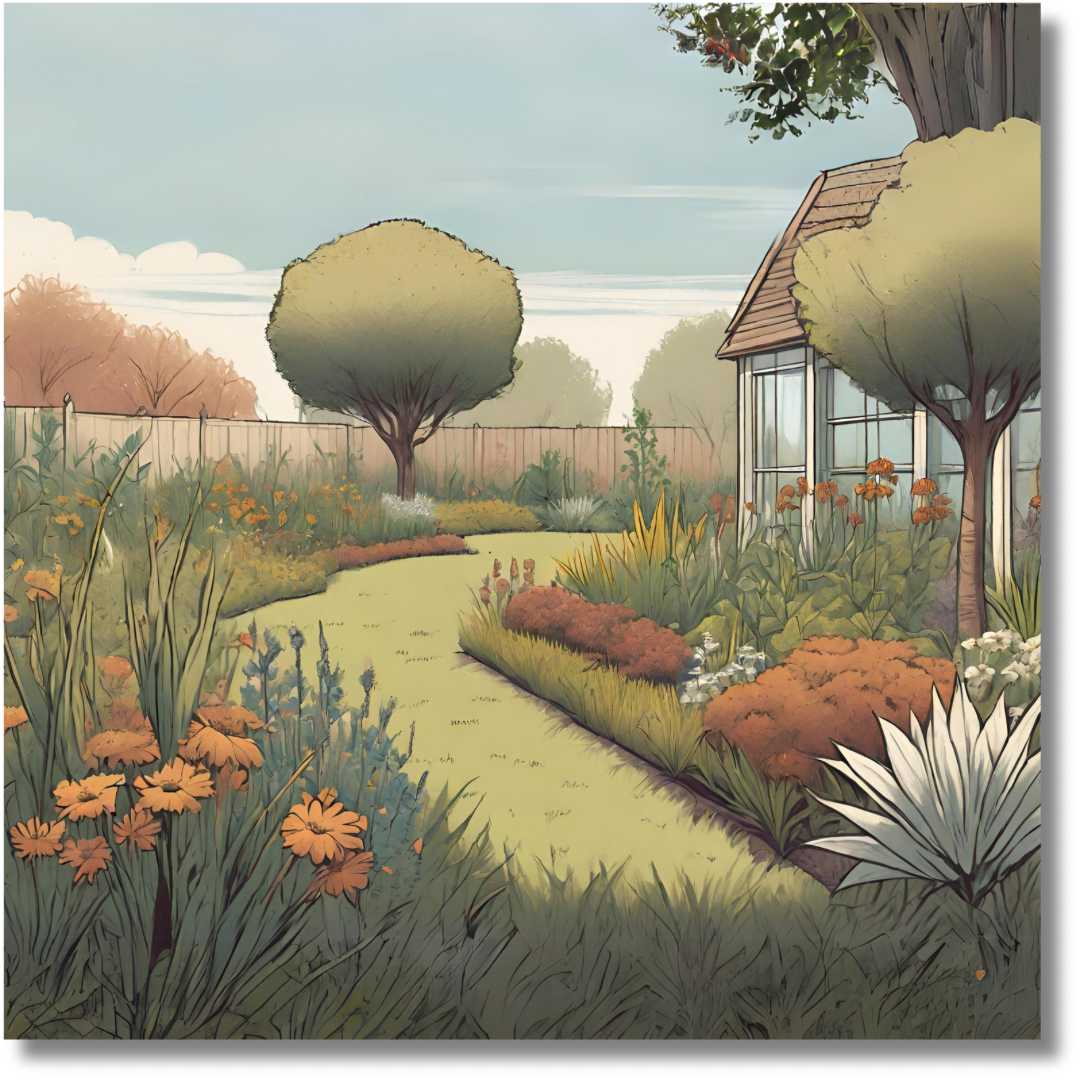 Transforming your yard into an eco-friendly garden not only enhances your property's aesthetic appeal but also aligns with a growing trend in real estate. Homebuyers are increasingly drawn to properties that showcase sustainable living practices. By incorporating native plants, creating diverse planting areas, and adopting organic lawn care techniques, you not only contribute to the environment but also potentially increase your home's market value.
As the demand for eco-friendly gardening homes rises, making this switch not only supports the environment but also positions your property as a desirable option in the real estate market.
The Power of Native Plants
Embracing native plants in your garden isn't just a nod to natural beauty; it's a strategic choice for homeowners and potential buyers alike. Native plants, such as the resilient switchgrass, are adept at thriving in local conditions without requiring extensive care. This adaptability makes them ideal for eco-friendly landscaping.
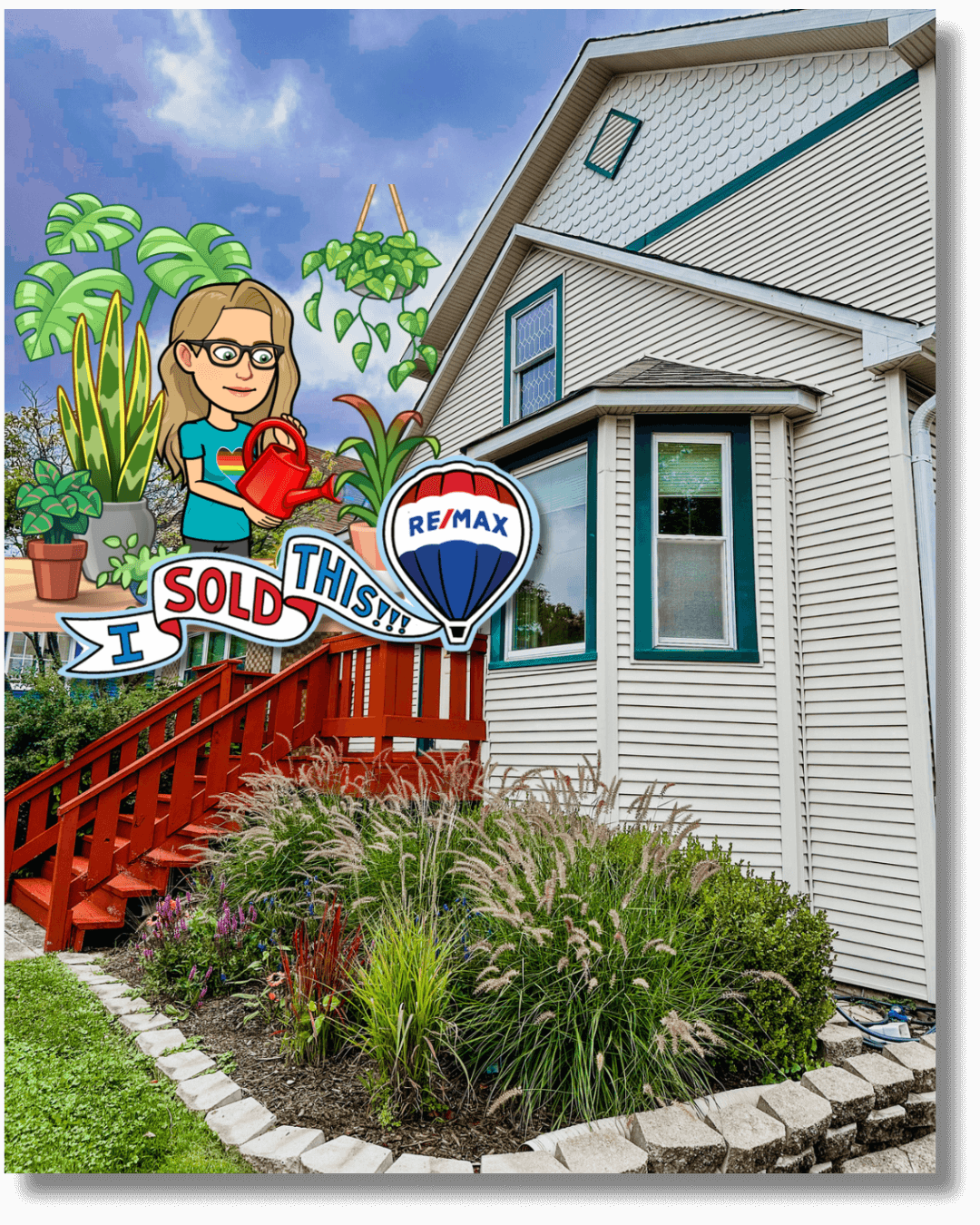 For homeowners looking to sell, a garden boasting native plants can be a significant selling point. These plants not only add to the property’s aesthetic appeal but also demonstrate a commitment to sustainable living. As awareness of environmental issues grows, properties featuring native plant gardens are becoming increasingly attractive to environmentally conscious buyers.
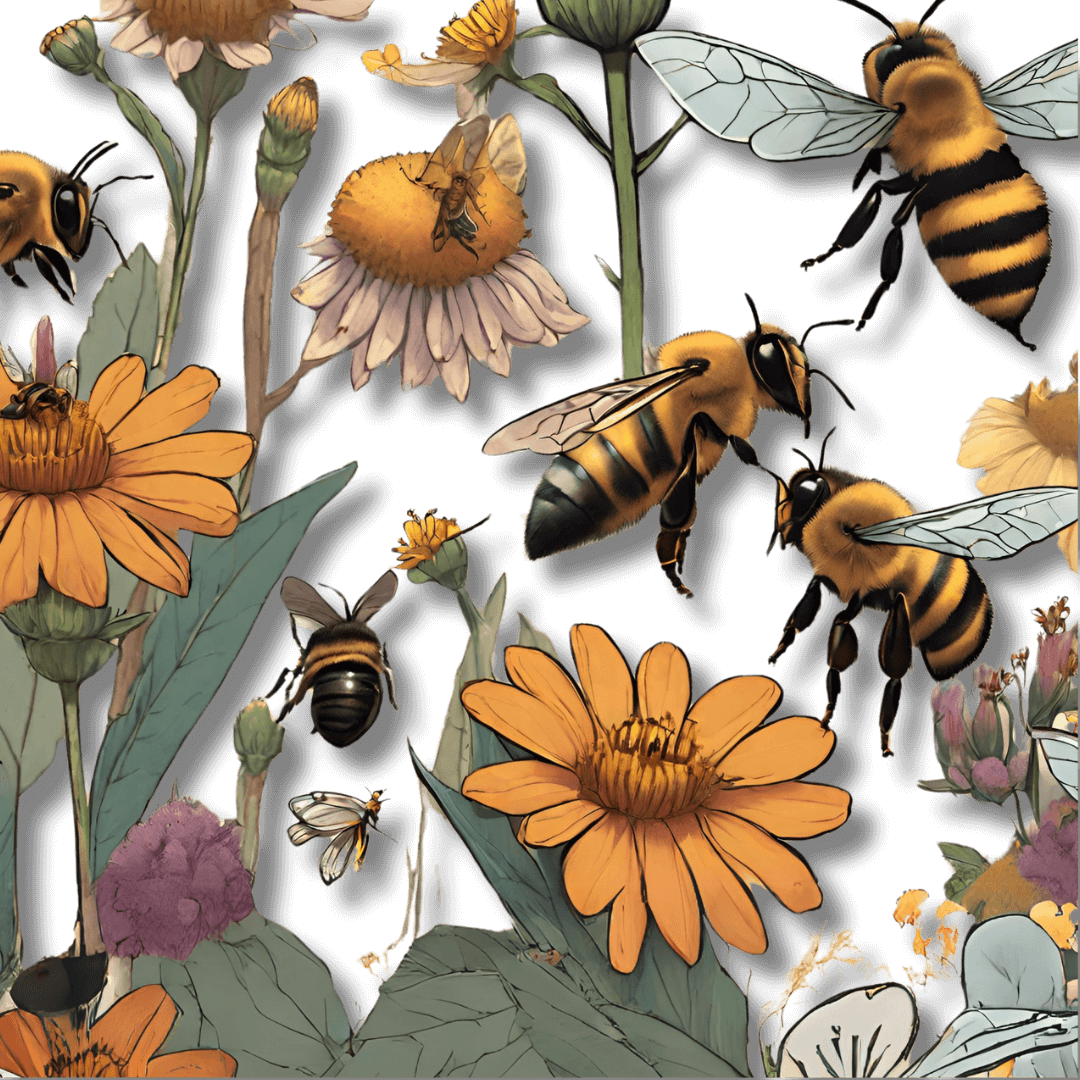 Moreover, native plants play a crucial role in local ecosystems. They provide essential habitats for wildlife, support pollinators, and help maintain biodiversity. By choosing native plants, homeowners contribute to the preservation of their local environment, making their property a haven for both nature and potential buyers.
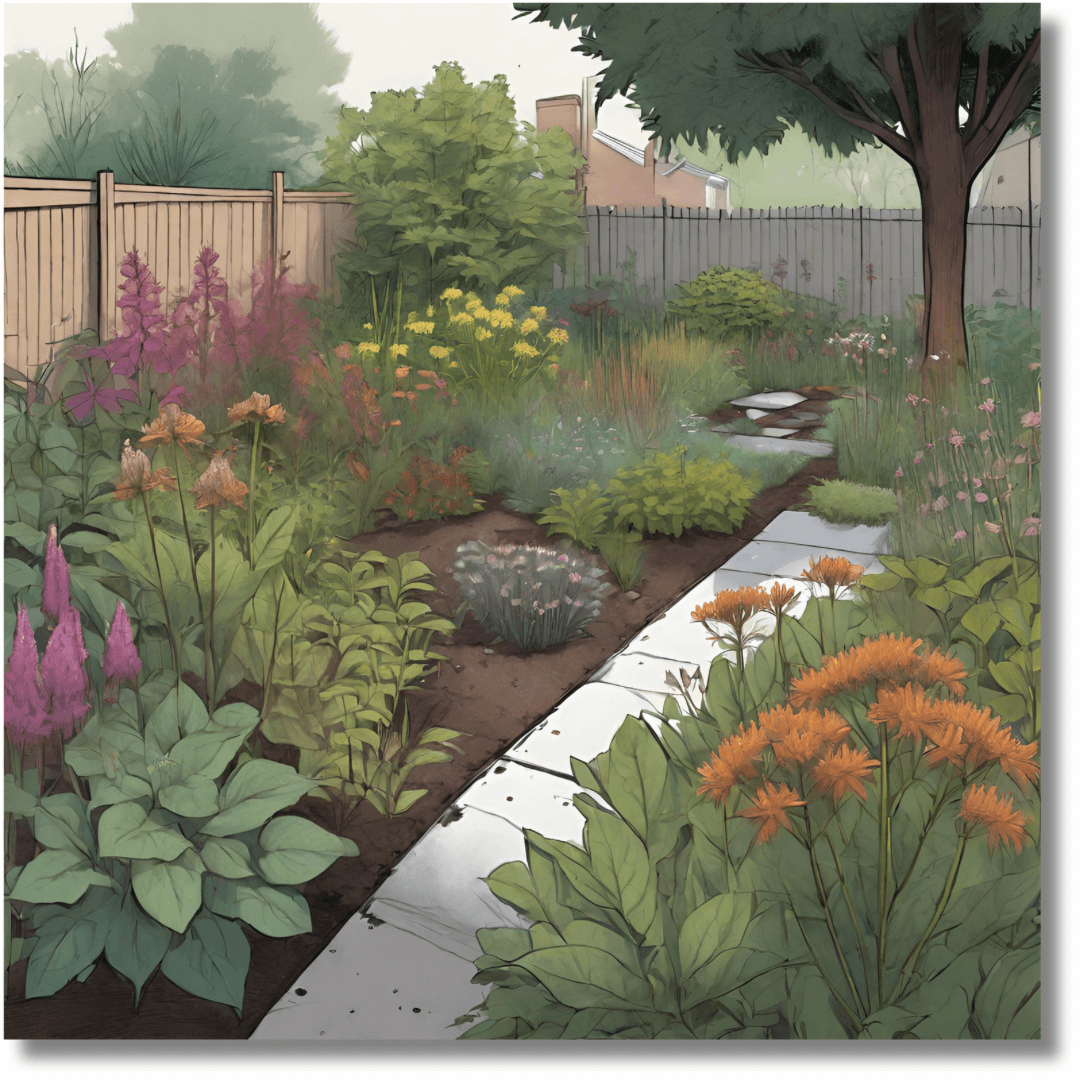 Incorporating native plants into home landscaping is not just about beauty or sustainability; it's a critical strategy for effective stormwater management. Native plants, with their deep and complex root systems, are incredibly efficient at absorbing and filtering rainwater. This natural process significantly reduces runoff, mitigates erosion, and helps manage water levels in urban environments. By integrating these plants into your garden, you're contributing to a healthier, more resilient ecosystem right in your backyard, which is an increasingly important consideration for eco-conscious homeowners and potential buyers.
Revolutionizing Stormwater Management with Rain Gardens and Bioswales
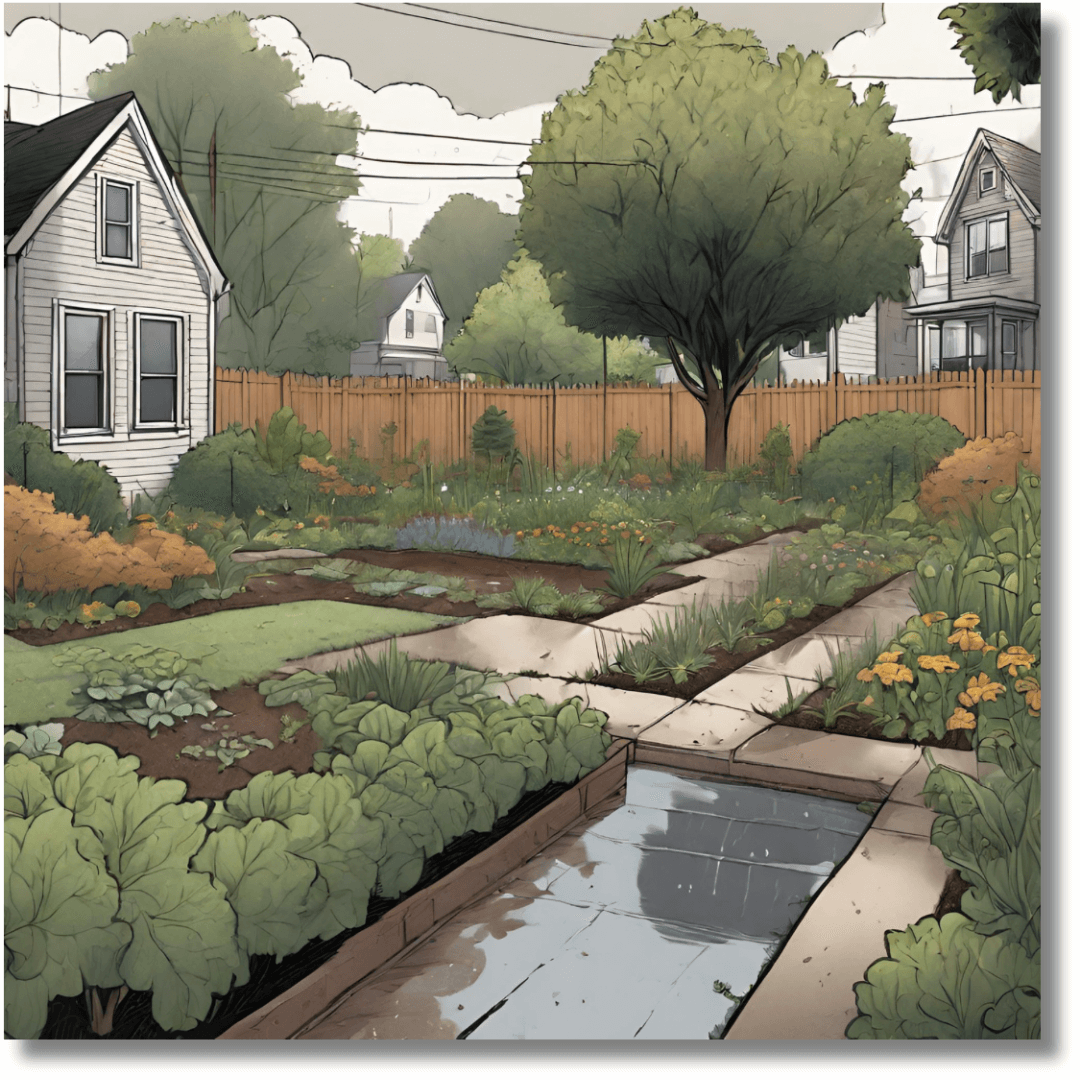 In the Chicago suburbs, innovative approaches to managing stormwater are increasingly crucial due to the region's unique physical and regulatory landscape. Rain gardens and bioswales are key components of this green infrastructure revolution. A rain garden is essentially a garden of native plants designed to absorb stormwater. It achieves this by slowing down the water, allowing it to infiltrate a porous surface, where pollutants are filtered out by soil microbes or absorbed by plants. This process reduces runoff, mitigates erosion, and improves water quality.
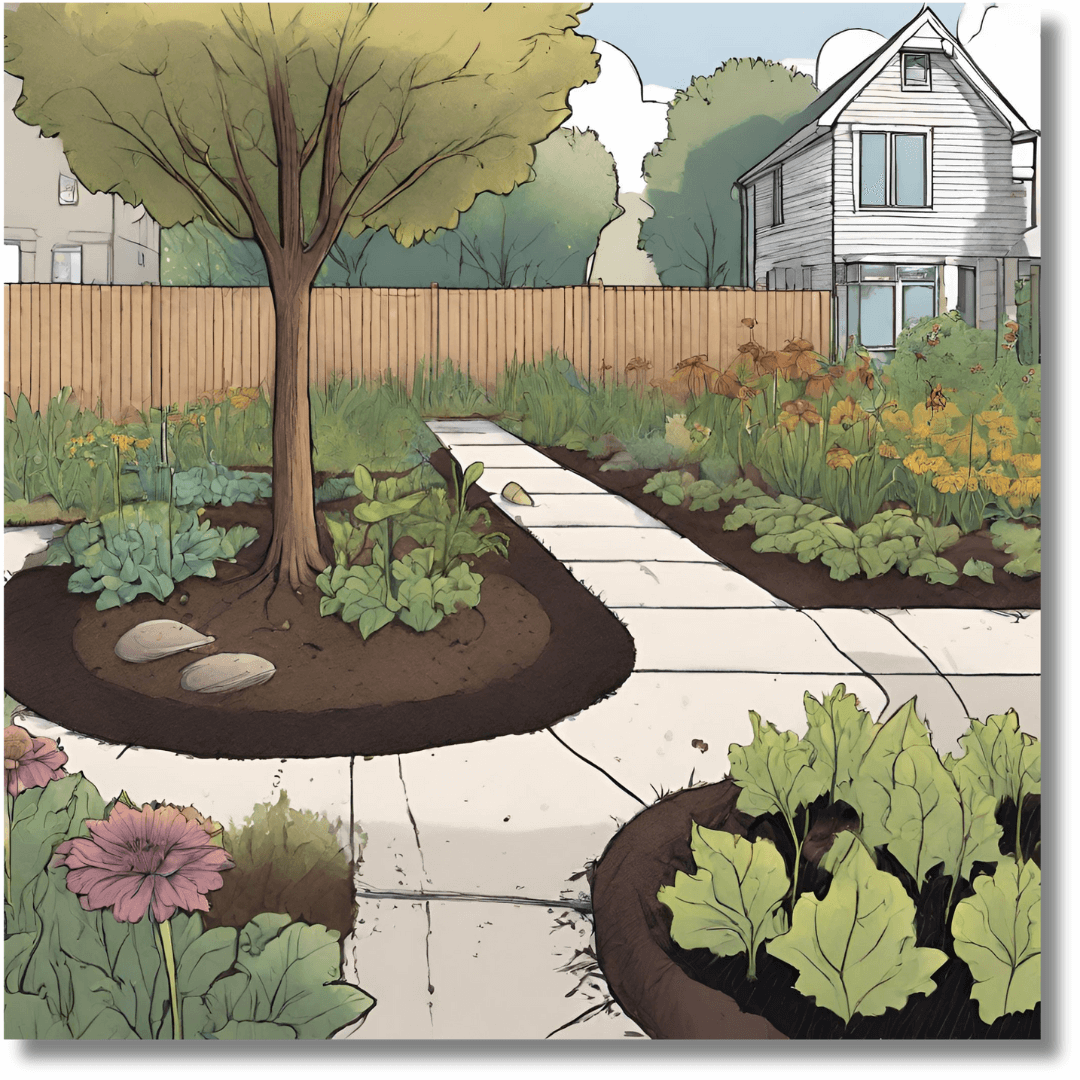 Bioswales, on the other hand, are designed like dry creek beds with plants and gravelly soil, enabling rapid and deep absorption of stormwater. These features not only reduce the risk of flooding but also clean the water by allowing dirt and pollutants to settle. They are known to absorb 30% more stormwater into the ground than a conventional lawn, significantly reducing surface water pollution from stormwater runoff.
Your Role in Sustainable Gardening: A Solution for Seepage and Moisture
As a homeowner in the Chicago suburbs, embracing eco-friendly yard design not only contributes to environmental sustainability but also offers practical solutions for common issues like seepage and foundation moisture. Many homes in our area, due to the unique landscape and climate, are prone to water-related challenges. Implementing eco-friendly gardening practices, such as the use of native plants and strategic landscaping, can be an effective and affordable way to manage these issues.
 Native plants, with their deep root systems, are particularly adept at absorbing excess water in the soil, thereby reducing the amount of water that seeps towards your home's foundation. Cultivars of native plants, such as Little Bluestem or Dogwood, can be selected to match specific site conditions, offering both aesthetic appeal and functional benefits in water management. Learn more about native plants for water management.
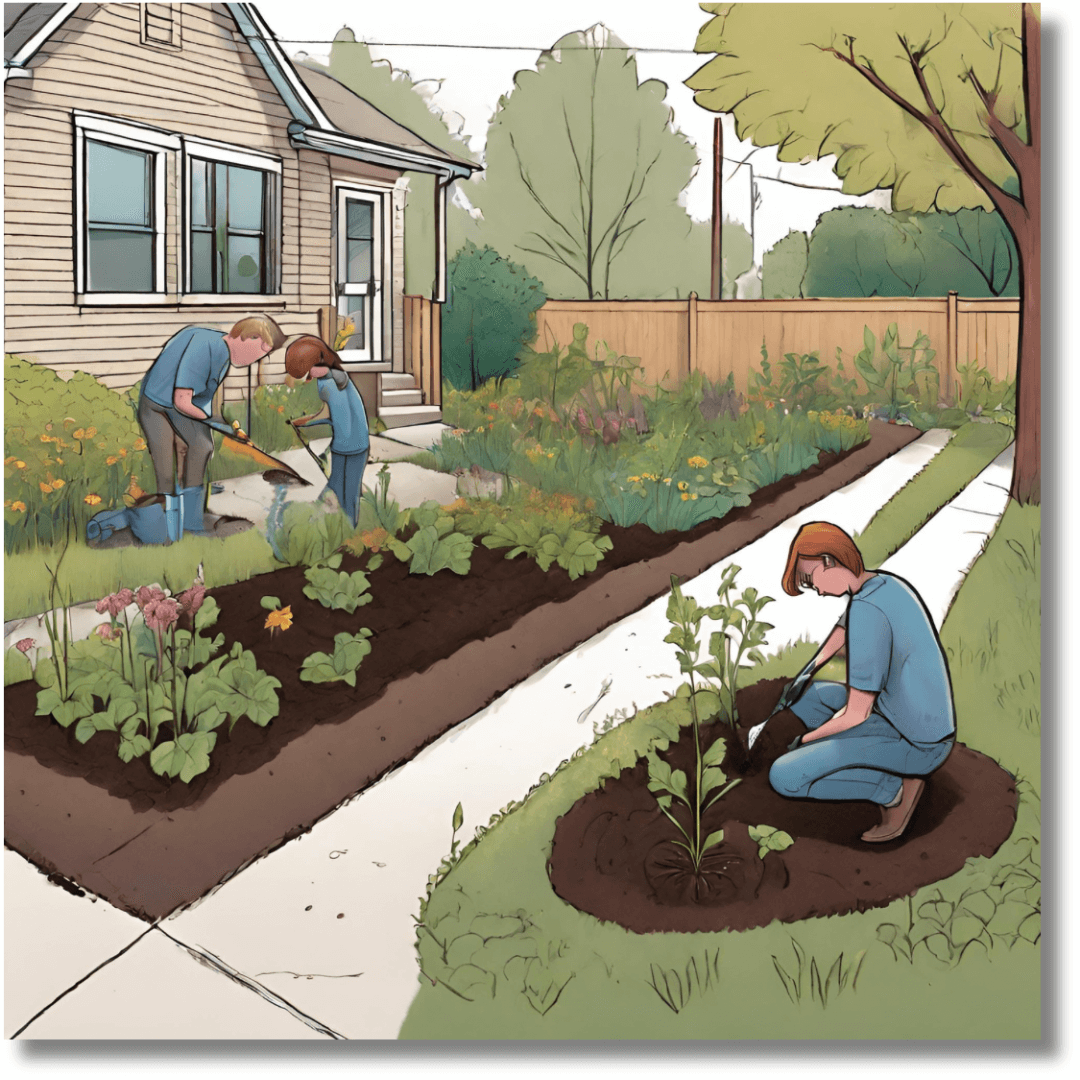 Implementing sustainable landscaping elements like rain gardens and bioswales further enhances your yard's ability to handle excess water. These features are designed to capture and filter stormwater, reducing runoff and preventing it from accumulating near your foundation. This natural approach to water management is not only eco-friendly but also reduces the need for more expensive structural solutions. Discover sustainable landscaping ideas. Read about solutions for water seepage.
Incorporating these strategies into your yard design aligns with the growing trend of sustainable living while addressing practical concerns related to water management in our region. By adopting these practices, you're not just enhancing the beauty and value of your property; you're also contributing to a healthier, more resilient local environment.
Join the Green Movement: Embrace Rain and Native Gardens
Taking action in the green movement often starts in our own backyards, especially in the Chicago suburbs where each garden can make a significant environmental impact. Let's dive into how you can contribute by starting your own rain garden or native garden.
Starting a Rain Garden
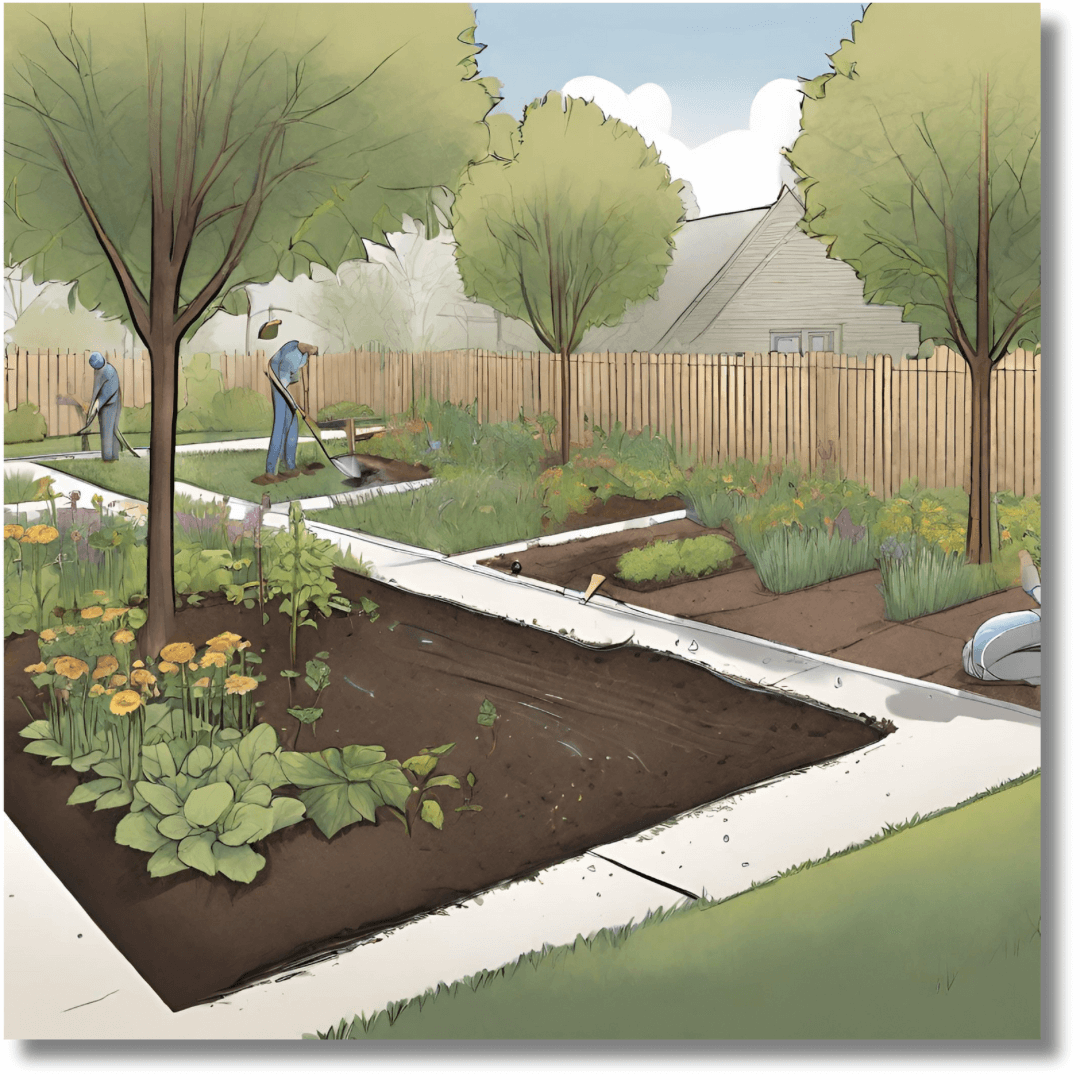 Rain gardens are not only aesthetically pleasing but also function as natural sponges, absorbing excess rainwater and reducing stormwater runoff. Here’s how to get started:
- Choose the Right Location: Find a spot in your yard that can collect runoff from your roof or driveway. Ensure it's at least 10 feet away from your home to avoid any foundation issues.
- Prepare the Soil: Test the drainage ability of your soil. A well-draining soil is crucial for a successful rain garden.
- Select Native Plants: Opt for native plants that are well-adapted to the wet-dry cycles of a rain garden. Species like Swamp Milkweed and Joe-Pye Weed are great choices.
Starting a Native Garden
Native gardens support local wildlife and require less upkeep, making them ideal for sustainable landscaping:
- Understand Your Yard: Assess the sun exposure, soil type, and moisture level of your yard to determine which native plants will thrive.
- Design Thoughtfully: Arrange plants considering their height, bloom time, and color. Group plants with similar needs together.
- Plant and Maintain: Spring and fall are the best times for planting. Regular watering is necessary until the plants are established.
Resources and Inspiration
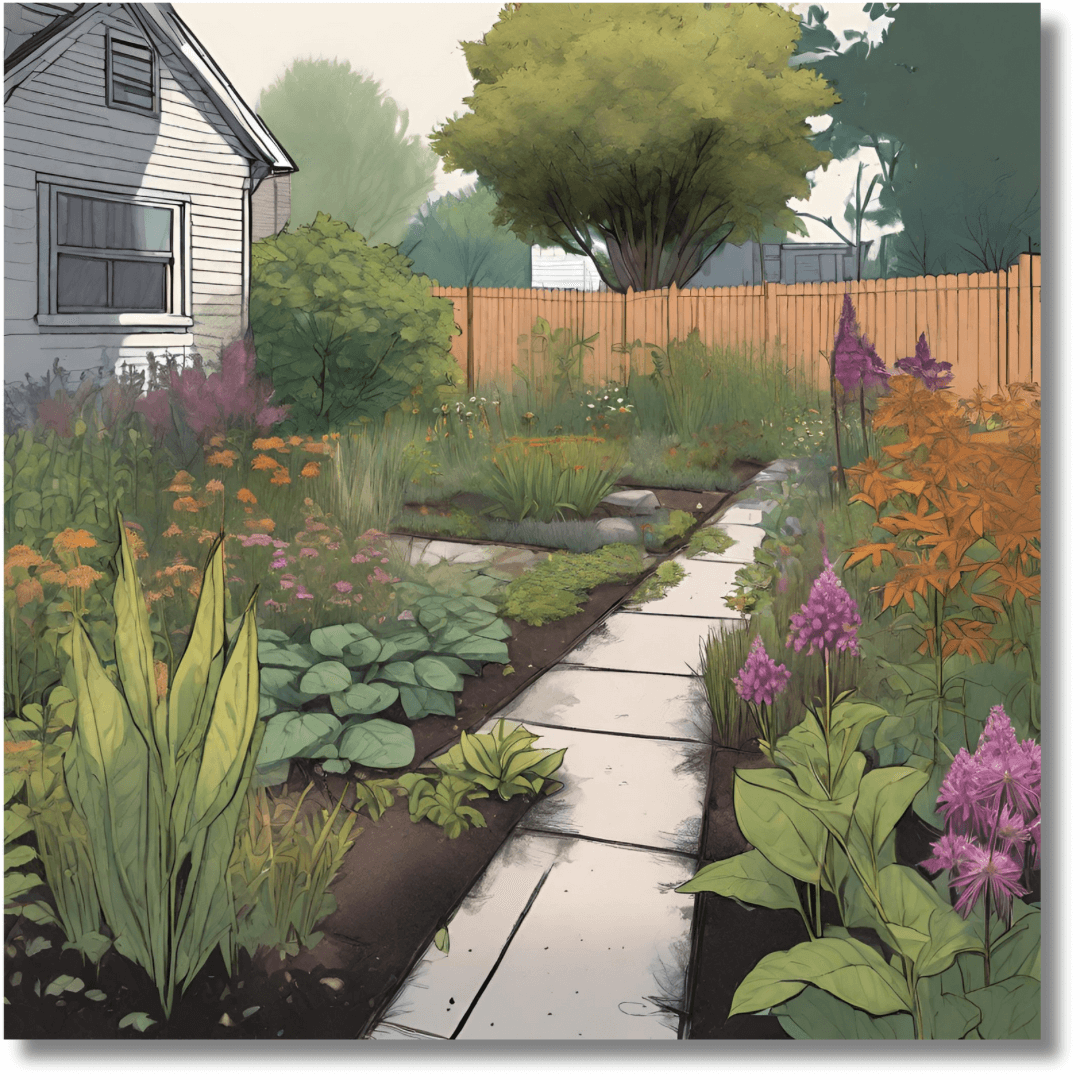
For more detailed guidance, turn to local organizations like West Cook Wild Ones. They offer a wealth of resources, from plant sales to educational programs, helping you create a garden that's both beautiful and beneficial to the environment. Also, explore the Wild Ones Native Garden Designs for professional garden layouts tailored to our region.
By starting a rain garden or native garden, you're not just enhancing your property; you're actively participating in a movement that supports local ecosystems and contributes to sustainable urban living.
Take the Next Step with Laurie Christofano
As your Chicagoland real estate expert and a passionate advocate for sustainable living, I'm here to guide you on this journey. Whether you're looking to buy or sell, let's find your dream patch of land to create a native landscape that's not just a vision of beauty but a testament to eco-responsibility.
🌿 Download my Selling & Buying Guide or start searching for your perfect plat on my website. Together, let's make a difference, one garden at a time!
Laurie Christofano
Realtor, Green Thumb, Community Advocate
